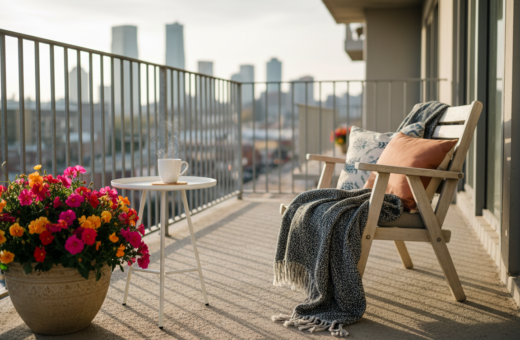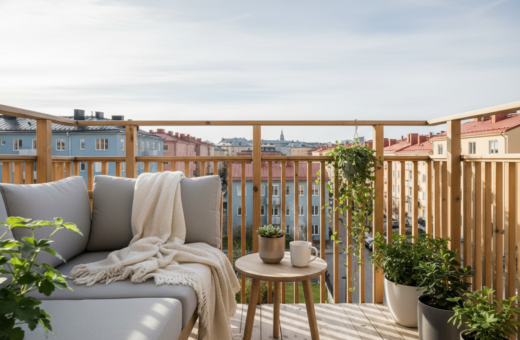
Bryan Yates, founder of Yates Desygn in Dallas, says even a small balcony can act as a bite-size backyard when planned with care. He notes that soft textiles and layered materials warm a space visually and physically.
Transforming a cold outdoor space means choosing elements that invite use year-round. Practical tips focus on comfort and function so the area feels like an extension of the home.
For many homeowners, a few smart ideas and the right decor change the entire mood. There are clear ways to maximize a small balcony or larger terraces so every inch serves relaxation or entertaining.
Designers recommend testing textures, keeping circulation clear, and choosing durable fabrics. With intent and a simple plan, balconies and small outdoor areas become a welcoming place to unwind.
Embracing Cozy Balcony Decorating
Small outdoor corners become inviting when soft layers replace bare concrete and metal. This approach helps turn an overlooked ledge into a personal retreat.
Practical ideas start with textiles that add warmth and scale. A rug, weatherproof cushions, and a slim chair create a defined space without crowding.
- Soften hard surfaces with layered textiles and planters.
- Choose furniture that fits the dimensions of a small balcony.
- Use vertical elements to make balconies feel larger and more private.
Designers advise treating a balcony like any indoor room. With the right mix of texture, color, and function, even tiny outdoor areas become the home’s favorite spot.
Tip: Prioritize circulation and select pieces that serve multiple uses—this keeps the area useful and visually balanced.
Extending Your Indoor Living Style
Bring the same care you give an interior room to your outdoor area so both spaces read as one cohesive setting. This approach helps the home feel larger and more intentional.
Seamless Transitions
Jeff Andrews, founder of Jeff Andrews Design in Los Angeles, recommends treating the outdoor area as an extension of the living room. A smooth way to move between spaces reduces visual friction and invites use.
Focus on scale, sightlines, and durable finishes. Place furnishings so doors open fully and circulation remains clear. A designer often suggests keeping a consistent furniture style to maintain flow.
Matching Interior Palettes
Match materials and colors between indoor and outdoor pieces to create unity. Doing so offers a simple way to make an apartment feel connected rather than segmented.
- Choose fabrics and finishes that mirror indoor tones.
- Pick one or two accent colors to carry across both rooms.
- Treat the space like a formal room—comfort and function matter equally.
These choices let people move between living spaces without a jarring change in atmosphere. The result is a natural, comfortable outdoor room for unwinding after work.
Selecting Weather-Resilient Fabrics
Choose fabrics that stand up to sun and rain to keep an outdoor space comfortable and low maintenance.
Performance Fabric Benefits
Linda Hayslett, founder of LH.Designs in Los Angeles, recommends prioritizing outdoor-friendly fabrics that are water-resistant and easy to clean. Modern performance textiles mimic indoor materials while resisting fading and mildew.
Designers now have more options that combine durability with a refined look. These textiles make furniture last longer and reduce upkeep for a busy home.
- Pick high-quality materials to prevent fading and mildew on a balcony or patio.
- Mix and match durable fabrics to create a cohesive look across small spaces.
- Use easy-clean textiles so the area stays inviting and ready for use.
Tip: Investing in weather-resilient fabrics is one of the best ways to ensure outdoor areas remain beautiful and functional through changing seasons.
Incorporating Lush Greenery
Layering plants and vertical elements instantly softens a hard outdoor space and makes it feel alive. Designers often recommend focusing on height and texture first.
“Add lattice fencing and vines to build a living wall that changes through the seasons,”
Smart plant choices help a small balcony feel like a true garden. Ivy, clematis, and climbing hydrangea work well on trellises. Perennials such as milkweed, mountain laurel, and rhododendron add lasting bloom and interest.
Practical organization:
- Use a mix of decorative planters to group plants by water needs.
- Place climbers at the back to free front space for seating.
- Vary leaf shape and colors to create depth and calm.
Many designers say greenery is the single best element to change a sterile ledge into a living, inviting area. With a thoughtful mix of plants and planters, a balcony space can feel like a compact, layered escape.
Utilizing Versatile Folding Furniture
Folding pieces turn limited outdoor areas into flexible rooms that adapt to changing needs. Paul Anderson, IKEA US home furnishing and retail design leader, points to chairs like the Sunsdö as ideal for a small balcony.
These lightweight items are made to be portable and easy to store indoors when you need to clear the space. Designers often recommend foldable seating because it maximizes square footage while keeping comfort and style intact during leisure time.
The real advantage is practicality: tuck chairs away to maintain a tidy outdoor area or pull them out for guests. Investing in high-quality folding furniture ensures the balcony remains functional for daily use and for occasional gatherings.
- Portable pieces free up floor area for other activities.
- Quick rearrangement lets residents change the mood on short notice.
- Durable folding options extend the useful life of a small outdoor spot.
Adding Softness with Outdoor Rugs
A well-chosen outdoor rug instantly anchors an open area and brings softness underfoot.
Meredith Owen, founder of Meredith Owen Interiors in Austin, notes that a rug can soften hard floors and introduce texture to a balcony. She recommends synthetic, UV-friendly fibers such as polypropylene or polyester to resist mold and fading.
The right rug becomes the foundation for your balcony space. It defines the seating area and elevates the overall style of a small garden retreat.
- Pick a durable rug that fits the layout so furniture reads as a single area.
- Use pattern and color to counteract cold surfaces and add visual interest.
- Layer a rug with cushions and a throw to create a lived-in feel and encourage use of the balcony.
Many designers say a well-placed rug makes a balcony feel like an extension of the indoor living room. A durable outdoor rug is a simple, high-impact update that improves comfort and invites more time spent outside.
Creating Privacy with Drapery
Drapery turns an exposed ledge into a private, finished room with visual warmth and control.
Jeffry Weisman, cofounder of Fisher Weisman in San Francisco, advises matching balcony fabrics to the home’s interior design. He says this keeps the transition seamless and intentional.
Custom drapery can act as a whimsical threshold between living and the outdoor space. It adds essential privacy while framing views like a curated vignette.
Keith Williams of Nievera Williams often uses curtains to create enclosure on a balcony. Drapes help block sightlines from neighbors and define the room without heavy construction.
- Sheer or patterned fabrics introduce a pop of color and texture.
- Layering weight and translucency gives control over light and privacy.
- Install tracks for flexible operation to tune openness and seclusion.
Adding curtains is a proven design move that makes an outdoor area feel like a private, intentional extension of the home.
Installing Ambient Lighting
Lighting choices define how an outdoor area reads at night, shifting it from functional to atmospheric.
Statement Fixtures
Margaret Donaldson of MDI Luxury Design notes that a bold fixture creates instant ambiance. A single pendant or sculptural sconce becomes a focal point. It elevates the design and gives the small space personality.
Atmospheric Glow
Mix statement pieces with softer sources to build depth. String lights, low-watt lanterns, and LED strips add a warm wash of light that flatters plants and textiles. This layered approach makes an apartment balcony usable after dusk.
- Extend use: Proper illumination lets residents enjoy the space into the evening.
- Highlight features: Accent lighting draws attention to plants or a sculptural corner.
- Safety and function: Thoughtful placement keeps the area safe and welcoming for dining or relaxing at home.
“The right light can completely change the mood of your balcony, turning a simple outdoor area into a sophisticated space,”
Choosing Durable Materials
Materials that perform matter as much as style. A smart design starts with pieces made for sun, wind, and wet weather. Morgan Newfield of Newfield Design, Inc. emphasizes durability so balcony furniture and accessories last.
Stick to tried materials: teak, wrought iron, wicker, and powder-coated metal. These options resist fading, rust, and cracking while keeping a refined look.
Professional designers share practical ideas for selecting rugged pieces. Pick slatted teak or sealed metal that tolerates moisture. Avoid fragile ornaments and textile-only items that demand constant care.
Choosing durable supplies is fundamental to any good outdoor space plan. It protects your investment and reduces upkeep. A well-built area uses materials engineered for the elements, giving peace of mind and years of enjoyment.
“Select materials that match the climate and the intended use of the space,”
Maximizing Seating Potential
Well-chosen chairs and side tables let a small outdoor room work harder for daily life. Smart seating turns a narrow ledge into a true living extension that invites both solitude and small gatherings.
Multipurpose Side Tables
Elizabeth Drake of Drake Interiors suggests adding recliners or chaises to elevate the design. A chaise offers a comfortable way to linger over a drink and enjoy the view from a small balcony.
Choose classic garden stools in ceramic or metal as side tables; they are durable and double as extra seating when guests arrive. Jeff Andrews recommends adjustable-height tables that shift from cocktail to dining use.
- Maximize utility: Pick a table that converts to a dining surface.
- Double duty: Stools can serve as both seating and a side table.
- Flexible seating: Select pieces that support reading alone or hosting friends.
Multipurpose furniture is the best way to keep the area functional without clutter. By choosing seating that serves multiple functions, residents create a versatile area that feels larger and more useful.
Introducing Whimsical Swings
A suspended swing brings playful motion and an instant focal point to any small outdoor room. Tiffani Baumgart, founder of Tiffani Baumgart Interiors in San Diego, notes that a swinging bench creates a wonderful zen moment on a balcony.
If the balcony has enough depth, a suspended daybed is a smart idea for reading, enjoying a cocktail, or napping in your garden. A daybed doubles as dramatic furniture and generous seating without bulky frames.
Add a throw blanket to the swing or daybed to stay warm on chill evenings while you relax. Designers say swings add a touch of whimsy that standard pieces rarely achieve.
Incorporating a swing can transform the space into a private resort, framed by your favorite potted plants. The gentle sway calms the mind and helps make the balcony a place to unwind after a long day.
- Choose sturdy anchors and weatherproof materials for safety.
- Pair the swing with compact side tables for drinks and books.
- Use layered textiles to add color and texture without crowding the area.
Warming Up with Fire Features
A simple fire pit brings warmth, light, and a new focal point that invites people to linger.
Linda Eyles, founder of Linda Eyles Design in Houston, suggests adding a fire pit to a balcony to create ambience and provide real heat. A compact unit makes a chill evening feel more like an intentional outdoor room.
A fire pit with a custom top can do double duty as a table or coffee table in summer, giving the furniture more flexibility. That switch helps a patio or small balcony move from daytime lounging to evening conversation without extra pieces.
“Fire pits and snug chairs are perfect for curling up on any night of the year at home,”
- Enjoy the area year-round—heat extends comfortable use.
- Many models turn on and off quickly for safe, convenient warmth.
- Place a pit near chairs to gather around and create a memorable place to relax.
With a thoughtful fire feature, a small balcony becomes a warming hub. It changes a chilly spot into a welcoming place that feels like a backyard bonfire, and it encourages more time outside.
Enhancing Walls with Decor
Vertical surfaces offer a fast route to personality—paint, planters, and art change a wall’s impact.
Lucas Eilers Design Associates suggests treating the outdoor wall like an indoor wall so the space reads as a true room. A single painted surface or a gallery of pieces ties the area back to the home.
Hanging planters on the railing brings immediate life and color even without a full garden. Use matching planters to keep the look calm and layered.
Designer Janie Molster made a statement by painting railings bold blue against a white exterior. That small move shows how functional features can act as unexpected accents in an overall design.
Add texture with nautical hangings, small sculptures, or framed prints to make the wall feel curated. These touches help the area function as a finished outdoor room.
For more ideas on railing planters and colors, see a practical guide from balcony decoration ideas.
Implementing Faux Turf
Adding a strip of faux turf can instantly shift an exposed ledge into a green, tactile room under the open sky. This change helps a small balcony feel intentional and softer underfoot.
Faux turf is simple to cut to fit odd corners, wrap around a railing, or edge a patio. Installation is straightforward and often a doable DIY weekend project that makes the space read like an elevated yard.
Durability matters. Because artificial grass resists sun and moisture, it keeps a neat look with little upkeep. Covering the floor encourages people to spend more time outside and invites low-maintenance lounging.
“Faux turf is an excellent choice for a small apartment balcony,”
- Create a plush base that pairs well with potted plants and lightweight furniture.
- Cut turf to fit around a railing or to meet existing walls for a seamless finish.
- Use turf to mimic a lawn without watering, mowing, or seasonal care.
- Lay turf on a patio to soften hard surfaces and expand usable floor area.
Avoiding Common Design Mistakes
A handful of common errors often sabotage the best plans for a small outdoor room. Good layout and durable choices keep a project useful and timeless.
Practical ways to avoid mistakes:
- Choose stable furniture: Tiffani Baumgart warns that lightweight pieces can blow away on windy days. Secure metal or iron frames when possible.
- Prioritize durability: Elizabeth Drake suggests skipping delicate, fussy items. Outdoor decor must tolerate weather and daily use.
- Prevent clutter: Keep seating and tables proportional so the room never feels claustrophobic.
- Honor the view: Place chairs and tables to frame, not block, the best sightlines from the patio or balcony.
- Plan light: Include layered lighting to extend use into evening hours and support social gatherings.
By avoiding these common design mistakes, a balcony becomes a functional, stylish place to relax and enjoy the view.
Conclusion
A well-planned outdoor nook can lift daily life by turning unused square footage into a true living space.
Small updates—soft textiles, durable materials, and layered lighting—make the most of every inch. They create a warm, usable area that reads as part of the home rather than an afterthought.
Prioritizing comfort and function helps tailor the space to personal needs. Add greenery, flexible seating, and focused illumination to extend hours of use and improve usability.
With care, even a modest balcony becomes a valued retreat. Thoughtful choices also protect views and enhance privacy, so the area supports relaxation, entertaining, and quiet moments alike.