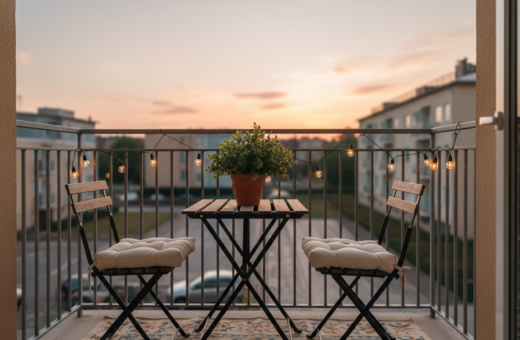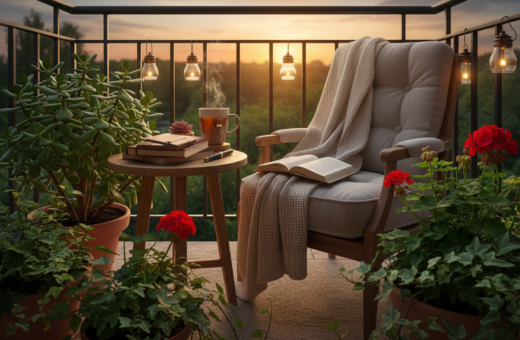
Small outdoor areas often get boxed off as storage or clutter. This introduction shows how thoughtful balcony design can turn a tiny ledge into a calm extension of the living room.
In Hyderabad, Beyond Spaces Design Studio made a compact spot feel like a cozy room by adding cascading greens and rattan seating. Photographer Nayan Soni captures such moments, showing how small changes shift the feel of homes.
Good design ideas focus on comfort, light, and durable flooring like tiles. With the right furniture and soft seating, an outdoor space becomes a true retreat for morning coffee or quiet evenings.
This short guide frames simple steps and benefits so readers in the city can treat balconies as meaningful areas that expand interiors and improve daily living.
The Philosophy of Integrated Balcony Design
Koriv Design Studio in Pune shows how a kitchen that opens to an outdoor ledge can feel like another cozy room. This approach treats the outdoor area as part of the home, not a leftover patch of space.
The core idea is flow. Using the same flooring or tiles, matching wall tones, and similar furniture makes the shift from cooking to sitting feel natural. Proper light control helps the area work for meals or quiet time.
- Make the kitchen counter double as a breakfast bar that faces the outdoor area.
- Choose seating that echoes the living room to create a single visual story.
- Prioritize durable tiles and materials that match interior finishes.
Benefits include more daylight, a sense of openness, and flexible use of the space for family meals or reflections. These ideas form a simple guide for turning a small ledge into a true room that supports daily living.
Understanding Different Balcony Formats
Choosing the right format matters. The type chosen affects light, views, and how the space connects to the home.
Juliet Balconies
Often called false balconies, Juliet styles add fresh air and light without a step-out floor. They suit compact city apartments where full outdoor platforms are not possible.
Walkout Balconies
Walkout types create an actual outdoor area that extends the living room. These allow for small furniture, plants, and a true alfresco nook.
Cantilevered and Suspended Designs
Cantilevered versions use projecting beams to create a floating look without external posts. Suspended balconies use cables or rods and often maximize views on high floors.
- Practical guide: Gatehouse Architectural covers Juliet, walkout, cantilevered, and suspended types.
- Materials: Metal or glass rails change the facade and the light that reaches interiors.
- Safety: Railing choice and structure impact value, usability, and long-term benefits.
Creating Seamless Transitions Between Indoors and Outdoors
Studio Ipsa in Bengaluru treated the outdoor ledge as a calm extension that flows right from the living room. A smooth threshold and thoughtful door choices help the space feel continuous rather than separate.
Level Thresholds and Door Selection
Level thresholds remove visual and physical barriers. They make the balcony easier to use for everyone and improve safety between the interior and outdoor tiles.
Select doors that suit the available space. Sliding doors save floor area while outward-opening panels can create a wider feel when open. Both options help bring more natural light into the home.
Jibu & Thomas Architects in Kochi used reclaimed wood and brick jali walls to tie the home and balconies together. Matching interior flooring and outdoor tiles also creates the illusion of a larger living area.
- Accessibility: Level thresholds for safer movement.
- Material match: Use similar finishes in furniture and flooring for unity.
- Zone hints: Rugs and seating define cosy corners and invite use.
Selecting Materials for Cohesive Aesthetics
A smart selection of stone, tiles, and metal ties the outdoor area to interiors without fuss.
Kota stone flooring is a popular choice in Mumbai for a durable, elegant transition between the living room and the outdoor space. It wears well and balances texture with a soft matte finish.
Mumbai-based designers often pair sturdy tiles with metal railings to resist weather while keeping a polished look. Matching wall finishes inside and out helps the area read as part of the home rather than a separate patch.
Choose weather-resistant furniture that echoes the tones and scale used in the kitchen or living room. Natural options like wood or stone can warm the area and make it feel like an extension of interiors.
- Longevity: High-quality materials reduce maintenance and protect value.
- Climate fit: Pick finishes that stand up to local sun, wind, and rain.
- Visual unity: Coordinate railing and wall textures to create a polished look.
Thinking about texture and how light hits tiles and walls will refine the final palette. These material choices define the character and benefits of the balcony while keeping the whole home cohesive.
Maximizing Comfort with Layered Lighting
Warm layers of light can change a small deck into a destination after dark. Thoughtful illumination helps a balcony feel like an extension of the home and adds real usability to the area.
Layering Ambient and Task Lights
Start with soft ambient fixtures to set overall brightness. Then add task lights near seating or the kitchen pass-through so reading, dining, or prep remain comfortable.
Osāya Architects in Mumbai used layered lighting to turn a large wrap-around deck with a heated jacuzzi into a moody evening retreat. That project shows how a mix of fixtures makes the whole space feel intentional.
Creating Mood with Soft Glows
Use lanterns or wall-mounted sconces for warm, low glows that mimic an interior living room. Highlight elements like glass balustrades or special furniture pieces to add depth.
- Benefits: Extended use after sunset and safer movement across flooring.
- Mix LEDs for efficiency with a few warm-toned lamps for atmosphere.
- Layered lights help connect balconies to interiors and make the area feel like a true room.
Incorporating Biophilic Elements for Natural Appeal
A small outdoor ledge can feel like a living pocket of nature when plants and textures are chosen with care.
Studio Rohini Bagla in Mumbai used limewash-finished walls to make a sit-out feel like a calm, neutral haven. The soft texture becomes a backdrop for cascading greens and handcrafted planters.
Why add natural elements? They improve air quality and create a stronger bond to the outdoors. Even a tiny space can host a meaningful green corner.
- Choose compact furniture that supports pots and keeps circulation clear.
- Pick plants for the specific light on your ledge so they thrive without fuss.
- Use natural materials for seating and planters to keep the look cohesive.
These simple design ideas help transform balconies into peaceful rooms. This guide shows that thoughtful elements bring calm, even in the busiest urban home.
Privacy Solutions for Urban Sanctuaries
Strategic enclosures transform public-facing edges into calm private pockets in the heart of the city.
Using Screens and Solid Balustrades
TaP Design Inc. in Bengaluru used layered patterns and traditional motifs to craft a muted maximalist feel while providing seclusion. Decorative panels or metal screens shield views without making a space feel boxed in.
Solid balustrades, glass panels, or a mix of metal and timber offer safety and a sense of enclosure. They help the outdoors read as part of the home while preserving airflow and light.
- Place furniture against the side wall to create a private corner for reading or meditation.
- Use patterned panels to echo interior motifs and link the interiors and outdoors.
- Consider railings plus screens to balance safety with visual privacy.
Thoughtful privacy is an essential design idea for urban balconies. For practical examples and planning tips, see this privacy planning guide.
Managing Practical Elements Like Drainage and Safety
Proper drainage and sturdy railings keep small outdoor areas safe and usable through every season. Managing water run-off protects walls, flooring, and structural elements from costly damage.
Insitu’s Kamshet project shows how a skylight can flood a space with sun while the scheme still prioritizes safety and practical flow. Thoughtful placements of slopes and gulleys channel water away from the threshold.
This short guide recommends non-slip tiles and secure railing systems so every family member can move with confidence. Specialized drains, like slot gulleys, prevent standing water and keep the surface clean.
Early planning that combines aesthetics with safety reduces repair bills and extends the life of flooring and finishes. Regular checks of the railing fastenings and tile grout are simple steps that preserve the benefits of an outdoor space.
- Tip: Use textured, weather-rated tiles to lower slip risk.
- Tip: Install continuous drainage along the edge to avoid pooling.
- Tip: Choose railings tested for local codes, especially when children or elderly live at home.
Styling Your Outdoor Space for Personal Expression
A carved Verona marble fountain can turn a tiny ledge into a dramatic, personal gallery.
Design Deconstruct Consultant Pvt Ltd in New Delhi showed how art and sculpture can lift a balcony into a statement room. A single sculptural piece anchors the look and sets a tone.
Personal touches — unique furniture, textiles, and framed art — let the space reflect the home’s culture. Plants, warm light, and layered seating make the area feel like part of the living room.
Whether in a small apartment or a larger house, styling makes the outdoor space feel intentional. Choose elements that match interior finishes to keep the flow natural.
- Showcase one focal artwork or sculpture.
- Use comfy seating and soft textiles for longer use.
- Layer plants and lighting to bridge indoors and the outdoors.
These ideas help the balcony act as a private sanctuary in the city. Personal expression is the final touch that turns a simple ledge into a meaningful space where one can relax and recharge.
Conclusion: Embracing Your New Alfresco Haven
Embrace your new alfresco haven, and treat the outdoor nook as a real room. A small outdoor nook can become the home’s calmest corner with a few thoughtful moves.
This short guide collected practical design ideas and simple steps so readers can create a space that reflects personal taste. It highlights comfort, layered light, plants, and safe finishes that help spaces last.
When balconies designed for daily use focus on comfort and safety, they truly change how a home feels. The unique benefits that balconies offer include privacy, fresh air, and a quiet place to read or drink coffee.
For extra inspiration, see this curated collection of modern ideas: 30 luxury modern balcony ideas. Start small, plan clearly, and enjoy the art of living outdoors.