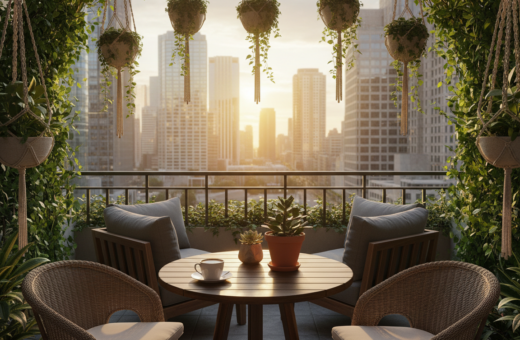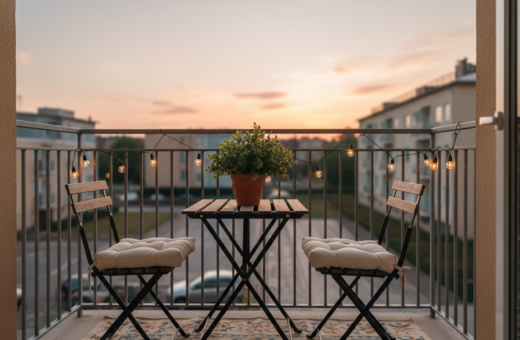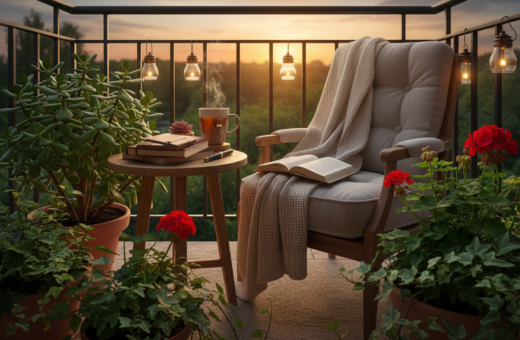
Small outdoor areas can change how someone feels at home. A compact space offers a quiet spot to pause, breathe, and regain focus. When designed well, it acts as a daily recharge station for anyone living in a busy city.
Research shows that even a tiny corner outside provides relief from urban noise and rush. People find that a well-kept balcony becomes an important extension of their home. It gives them a private place to step away and reset.
By adding simple seating, plants, and good light, these limited spaces become tools for better focus and steady energy through the day. Thoughtful design turns a cramped spot into a calm retreat that supports daily routines and a balanced life.
Understanding the Connection Between Nature and Mental Health
A brief pause in a leafy spot can clear the mind and restore energy. Studies show a clear connection between time spent outdoors and reduced psychological distress.
Erica Crompton described nature as a quiet ally that brings clarity and calm to her daily routine. This kind of regular contact supports overall mental health and emotional resilience.
For city dwellers, small moments with plants or sky offer real rewards. People often report better mood regulation and fewer intrusive thoughts after short, repeated exposure to green settings.
- Reduced stress: greenery lowers tension and sharpens focus.
- Improved mood: brief nature time eases rumination.
- Daily balance: small routines with outdoor elements build resilience.
To learn more about the science behind these observations, see this review on nature and well-being at regular exposure to green space.
The Science Behind Balcony Mental Health Benefits
Even small doses of outdoor contact produce measurable effects on the body and mind.
Laboratory and field research now maps how brief contact with nature changes biology and mood. The University of Michigan found that 20 minutes of nature contact can lower cortisol, a key stress hormone. That drop links directly to calmer thinking and better focus through the day.
The Role of Sensory Engagement
Rutgers studies highlight sensory engagement as a therapeutic pathway. Touching soil, hearing leaves, and smelling plants create simple rituals that signal safety to the nervous system.
Sarah, a Toronto accountant, used a 10-square-foot balcony to manage anxiety. Sitting for a few minutes daily helped her reframe work stress and return to tasks with clearer attention.
The Impact of Natural Light
Sunlight on a small outdoor spot helps regulate circadian rhythm. Better sleep quality follows, and improved sleep shows up as steadier mood and energy.
- Research: 20 minutes lowers cortisol.
- Sensory therapy: plant interaction calms the mind.
- Sunlight: supports sleep quality and daily focus.
“A few focused minutes outside each day changed how she handled stress.”
Assessing Your Unique Outdoor Space
Measure sun and shade first to know what this small space can support. Note how many hours of direct light it gets. This helps decide which plants and seating will thrive.
With over 80% of North Americans living in urban areas, evaluating a balcony area is a vital resource for daily contact with nature. Since 60% of people lack a private garden, an apartment exterior often becomes the primary green space.
They should check wind, privacy, and floor size next. These limits shape layout, storage, and furniture choices. Understanding constraints makes every inch more useful.
- Sunlight: essential for plant health and for planning morning or evening use.
- Access: how easy it is to step outside affects routine use.
- Resource planning: water, power, and weight limits guide safe upgrades.
Many city residents find this modest area is their only true slice of green space. Treat it as a deliberate resource and design it to support calm, focus, and small daily rituals.
Essential Design Elements for a Calming Refuge
Small design choices shape how a tiny outdoor space supports rest and recovery. Intentional seating, gentle sound, and natural surfaces create a compact refuge people use at the end of a busy day.
Choosing Comfortable Furniture
Pick seating that invites a five- to twenty-minute pause. A cushioned chair or a low loveseat encourages regular use and makes the room feel intentional.
Comfort matters: choose weather-safe cushions and modular pieces so the arrangement can change with the season.
Incorporating Water Features
Even a small fountain adds steady sound that softens city noise. The trickle masks traffic and helps lower stress during short breaks.
“A tiny fountain can shift a rattle-filled view into a peaceful corner.”
Use a recirculating unit to save water and keep maintenance low.
Using Natural Textures
Wood, jute, and stone bring a tangible connection to nature. These surfaces pair well with plants and improve air quality in the immediate space.
- Layer a wooden bench with natural-fiber rugs.
- Add potted plants for touchable greenery and calm.
- Choose durable materials to keep quality high over time.
Kansas State University research notes that physical contact with plants supports reduced stress and clearer focus. Thoughtful choices create a peaceful refuge that aids overall well-being.
Selecting the Right Plants for Your Light Exposure
Knowing how much sun an outdoor spot gets is the single best step in choosing long-lived plants.
Start by tracking light for a day or two. Note morning, midday, and evening sunlight. Matching plant needs to that exposure preserves growth and quality.
Choose wisely: place sun-loving species where they get direct sunlight. Put shade-tolerant varieties in lower-light corners. This prevents wasted time and money.
Wesleyan University research shows lavender works well in sunny sites and can reduce anxiety while improving sleep quality. Lavender also adds scent and texture without heavy upkeep.
- Water: containers dry faster—water more often and watch soil moisture.
- Drainage: always use pots with holes and a layer of grit to avoid water buildup.
- Plant mix: combine annuals and perennials to keep year-round quality and color.
Good plant choices support better daily routines and a fuller living space. With proper exposure, watering, and drainage, the small garden will thrive and reward care.
Creating Privacy and Ambiance Without Construction
Strategic planting can make a tight outdoor spot feel like a separate room. Placing tall pots and vertical planters creates a living screen that blocks sight lines and softens noise.
In dense cities, using greenery avoids heavy work and adds fresh air without permits. A few tall plants along the rail or a staggered row of containers forms an instant shield from neighbors.
Lighting for Evening Calm
Soft light extends use into the evening and helps a family relax after a busy day. Warm string lights, low lanterns, or solar path lamps set a gentle mood without glare.
- Tall plants form privacy and create a cozy niche that feels like a true room.
- Wind chimes and rustling foliage mask distant noise and lower feelings of stress for people nearby.
- Layer light sources—task, ambient, and accent—to make small spaces feel larger and safer at night.
With smart placement of plants, lights, and decor, a balcony turns into a private sanctuary. It offers calm, fresh air, and a place to step away from others for a few quiet minutes.
Managing Safety and Structural Considerations
Start with the basics: confirm weight limits, drainage, and local rules before adding plants or furniture. Most structures safely support about 50–100 lbs per square foot, so verify the exact rating for the specific balcony.
Check building rules and municipal codes in cities to avoid blocked emergency access or permit issues. Proper permits and clear access keep everyone safe and protect property quality.
- Load capacity: ask management about allowable weight and distribute heavy items evenly.
- Water management: ensure drainage to prevent leaks and water damage to lower areas.
- Air quality & ventilation: keep the area clean and free of clutter to maintain good air flow.
- Access: avoid blocking exits or emergency routes with furniture or tall planters.
Structural safety is the foundation of a healthy outdoor spot. When checks are in place, people can enjoy fresh exposure and better day-to-day health without worry.
“Simple checks today prevent costly problems tomorrow.”
Establishing a Daily Routine for Maximum Well-being
Simple, repeatable outdoor rituals help people carry calm into their day. A short, focused practice near a few pots or a chair creates a steady rhythm that supports focus and mood.
Morning Energizing Rituals
Start with ten minutes: Stanford Medicine research shows that a daily 10-minute nature routine can improve mental and emotional outcomes. They can include stretching, deep breaths, or watering plants to wake the body and mind.
Evening Decompression Practices
At day’s end, people can use gentle habits to reduce stress and unwind. Touching leaves, tending a small pot, or sitting quietly for a few minutes lowers tension and improves sleep quality.
- Proven approach: Kansas State University studies confirm physical contact with plants reduces stress.
- Routine value: a consistent schedule builds a stronger connection to the space and supports ongoing well-being.
- Quick tip: make the daily routine easy so it becomes a reliable part of work and rest cycles.
“Ten minutes each day can change how someone reacts to stress and improve mood.”
Seasonal Strategies for Year-Round Enjoyment
Shifting plant choices each season keeps a small outdoor spot lively and inviting.
In spring, focus on fast-growing annuals and scented herbs to add color and aroma. Rotate containers so soil gets refreshed and plants receive needed nutrients. This simple switch supports longer life for each pot.
Summer calls for heat-tolerant plants and timed watering. Place larger pots where they shade smaller ones to save water and extend the day of use outdoors. Small fans or a light canopy can keep the space comfortable on hot afternoons.
As fall arrives, swap bright annuals for sturdier perennials and evergreen pots. People often add cozy textiles and soft lighting to stretch usable time. A few protective covers will protect root systems when nights cool.
In winter, choose hardy plants and add seasonal decor to keep the green space active. Rotate plants indoors for short periods if freezes threaten, or group cold-tolerant species together to share warmth.
- Plan by time of year: schedule planting, pruning, and soil changes.
- Rotate plants: swapping containers refreshes the view and extends life.
- Seasonal maintenance: check drainage, trim dead growth, and protect roots.
With a simple seasonal plan, small outdoor areas stay vibrant and functional all year.
Budgeting for Your Personal Sanctuary
A clear spending plan turns a tiny outdoor spot into a steady, usable retreat without overspending. It guides choices so the small space feels like a proper room in an apartment.
Where to invest: spend on good soil and a few quality containers. High-grade soil is a key resource that reduces maintenance and helps plants thrive.
Where to Invest and Where to Save
Invest in one durable seating piece that invites five to twenty minutes of rest each day. Pick weather-safe cushions and a sturdy frame so the purchase lasts through seasons.
Save on decorative items and trendy accents that add little to stress reduction. Small decor can be swapped later; it should not eat the budget for essentials.
- Research affordable furniture and read reviews before buying.
- Spend smart on soil and drainage—this lowers long-term effort.
- Plan for weight limits and avoid impulse buys that clutter the city space.
“Many people in cities find that a few minutes of planning prevents the common mistake of buying too much.”
Conclusion
Transforming a tiny exterior corner into a usable nook can change daily energy for the better. Creating a balcony sanctuary is a simple way to improve life and support clearer thinking.
By combining plants, gentle sounds, and short routines, anyone can build a steady practice that eases stress and sharpens focus. These small moves also support health well-being and a stronger daily rhythm.
Start by assessing sunlight, access, and space. With intention and care, the smallest outdoor spot can become a reliable refuge that adds calm, routine, and lasting rewards.