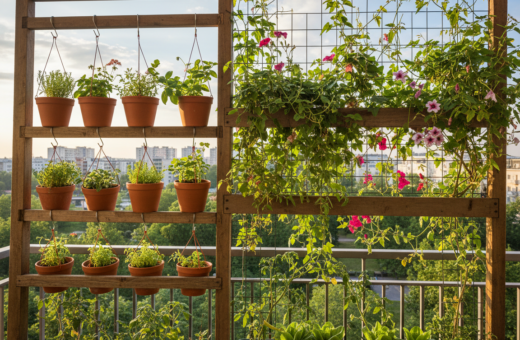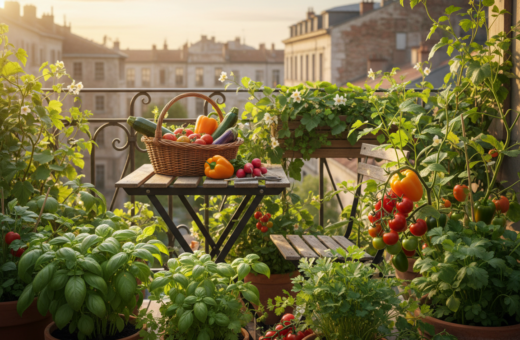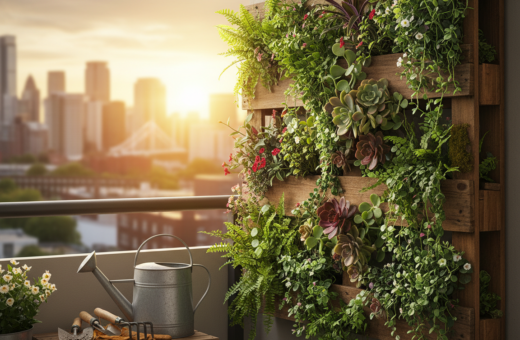
Elevated gardens demand resilient choices. In high-rise settings, wind and limited space shape what will thrive. This introduction outlines hardy climbers that suit varied light and soil, and offers practical tips to get started.
Some species, like Virginia creeper, reach 4–10 meters and handle sun, partial shade, or full shade. The climbing hydrangea blooms white in July–August and prefers fresh, acidic peat soil. Alpine clematis is a low-maintenance climber that flowers in early summer and can grow 4–5 meters high.
The cup-and-saucer vine can climb up to six meters in favorable spots, while bougainvillaea needs at least 5–6 hours of direct sun to thrive. Vertical supports, containers, and correct watering keep foliage dense and offer year-round privacy.
This guide walks through varieties, light needs, and simple care tips to turn a small balcony into a flowering, sheltered retreat. Find more detailed profiles and planting advice on the sample page.
Understanding High-Rise Balcony Challenges
High-rise terraces expose greenery to sudden gusts and intense sun shifts that test even hardy species.
Wind Exposure
Strong gusts at elevation can dry soil and snap thin stems. Secure container edges and use sturdy supports to protect each plant.
Tip: Grouping pots creates a wind buffer. Heavier pots and low-profile frames reduce topple risk.
Sunlight Variability
Light can change dramatically across the day as neighboring buildings cast shade or reflect heat. Map sun hours before choosing species.
Use shade-tolerant options like Devil’s Ivy where direct light is scarce. Proper placement also helps plants moderate temperature, keeping the space cooler in summer and warmer in winter.
- Dense foliage dampens street noise, creating a quieter retreat.
- Greenery supports mental health and invites birds and butterflies to the mini habitat.
- Strategic container placement mitigates harsh exposure and fosters a thriving small garden.
Selecting the Best Climbing Plants for Balconies
Deciding which climber to grow starts with checking pot depth, wind exposure, and available light. Matching a plant’s needs to the space prevents weak growth and wasted effort.
Soil volume matters: deep containers support vigorous roots. The cup-and-saucer vine does notably better in larger pots where roots have room to expand.
Drainage is essential. Bougainvillaea thrives in slightly acidic, free-draining soil to avoid root rot in humid conditions. High-quality mix and a drainage hole are non-negotiable.
Clematis will not cling on its own; it needs a trellis or wires to climb walls and fences. By contrast, hops twine naturally around ropes or poles and can cover large areas quickly.
For limited floor area, the black-eyed Susan vine suits hanging baskets and mixed containers. Staggering bloom times keeps the garden colorful through the season.
- Assess load capacity and choose containers that hold enough soil.
- Decide between self-clinging and tie-required climbers.
- Pick sizes that won’t overwhelm the view or crowd neighbors.
Learn more practical selections and planting tips at fast-growing climbers.
Hardy Vines for Windy Urban Environments
Wind-swept terraces demand vines that anchor firmly, hold foliage, and resist drying gusts. Choosing robust varieties reduces maintenance and keeps a balcony garden attractive through the year.
Selecting Robust Varieties
Virginia creeper brings lush leaves that flash scarlet in autumn and small dark-blue berries that feed birds.
Climbing hydrangea thrives on north-facing walls and even climbs trunks or rock faces where shade is common.
Alpine clematis reaches 4–5 meters and grows well in sun, partial sun, or shade — a solid choice for limited height spaces.
- ‘Flammentanz’ rose offers large, dark red blooms in July when sited in full sun.
- Boston ivy is extremely vigorous and can reach up to 20 meters, often needing no extra support on a wall.
- Proper watering, soil, and winter care keep these vines resilient through summer heat and colder months.
“Select a mix of varieties to create a resilient, year-round living screen.”
Flowering Climbers to Brighten Your Space
Vivid, fragrant climbers can turn a narrow terrace into a seasonal show of color and scent. These selections suit small urban gardens and focus on quick impact and easy care.
Morning Glory Varieties
Morning glory produces radiant blue flowers that open each morning and can reach about three meters in a single summer. They work well in hanging baskets or on lightweight trellis systems.
Fragrant Sweet Peas
Sweet peas bring nostalgic scent and delicate blooms in pink, lilac, and white. When placed in a sunny spot and given regular watering, they often reach close to two meters depending on the variety.
The Charm of Clematis
Clematis ‘Summer Snow’ is a vigorous perennial that flowers from July through autumn. Paired with a nutrient-rich, well-drained soil mix, clematis makes a long-lived, showy screen.
- Mix morning glory, sweet pea, and clematis to stagger bloom time.
- Use nutrient-rich soil and consistent watering to support height and flowering.
- Fast vines like Rangoon creeper add scent and changing colours when warmth is ample.
“Fragrant climbers invite pollinators and lift a compact urban space.”
Foliage-Focused Plants for Privacy
A screen of broad leaves can create instant privacy while adding texture and seasonal color to a small urban garden. Leafy climbers are ideal when view shielding and year-round cover matter more than showy flowers.
Dutchman’s pipe thrives in partial to full shade and makes a dense, lush barrier where light is limited. The variegated-leaf hardy kiwi gives visual interest as leaves shift from white to red by late summer.
Climbing hydrangea supplies a curtain of glossy, dark green foliage that suits a tall wall. Boston ivy grows rapidly, blanketing facades in summer and turning scarlet in autumn to keep privacy through the season.
- Purple bell vine has heart-shaped leaves and works well in a hanging basket or a trellis.
- These choices need only basic soil care and occasional pruning to maintain shape and density.
- Dense foliage also helps dampen street noise, creating a calmer outdoor space.
For a list of evergreen options that perform well in limited light, see evergreen climbers.
“Layering leafy varieties ensures a private, year-round screen that endures wind and winter.”
Essential Support Systems for Vertical Growth
A reliable support system transforms vertical potential into stable, wind-resistant growth on a narrow terrace.
Good supports protect roots and stems, keep pots upright, and make it easier to train vines and flowers into pleasing shapes.
Choosing the Right Trellis
Match strength to weight. Heavy growers like hops need sturdy poles, ropes, or metal posts. Lightweight decorative trellises suit black-eyed Susan vine and similar species that do not pull hard on anchors.
Clematis will not climb without a support system, so place a trellis close to its pot and tie new shoots gently. Runner bean and hops twine naturally and need vertical lines to spiral around. Passion vines should get a robust frame in sunny spots to show off their unique flowers.
- Secure fixings to the balcony structure to resist gusts.
- Choose rot-resistant materials if the site faces rain.
- Position supports to save floor space and allow air flow.
“A well-installed trellis is both a functional backbone and a decorative element that helps a small garden thrive at height.”
Soil and Container Requirements for High-Rise Gardening
Container soil and pot choice set the stage for any successful high-rise garden. They determine root health, moisture retention, and how well a vine or other plant weathers sun, wind, and winter stress.
Use fresh, acidic peat mix for climbing hydrangea in partial or full shade. Bougainvillaea needs slightly acidic, free-draining soil to avoid root rot in pots.
Large containers give more buffer against drought. The cup-and-saucer vine performs far better in roomy pots with extra soil volume. Hops and perfoliate honeysuckle require nutrient-rich, humus-packed mixes to support vigorous growth.
- Drainage is critical—always pick containers with holes to let excess water escape.
- Use moisture-retentive mixes on windy terraces to reduce watering frequency.
- Watch pot weight; very large, wet containers can overload a balcony floor.
“Investing in high-quality potting mixes and the right container size saves time and ensures steady, healthy growth.”
Seasonal Care and Maintenance Tips
Seasonal attention keeps a high-rise garden resilient through heat, frost, and shifting light.
Spring: Prune winter jasmine after flowering to stop woody growth and keep stems fresh. Cut back Rangoon creeper after its bloom to control size and encourage new flowers.
Summer: Chinese wisteria needs regular watering and periodic pruning to support heavy blooms. Sweet peas respond well to steady fertilization and extra watering to extend the flowering period.
Autumn and winter: Prepare containers and soil for cold winds. Move tender pots to sheltered locations and reduce watering as growth slows.
- Watch for stress: wilting or yellow leaves often mean more water or added shade is needed.
- Adjust plant location as the sun angle changes across the year to maintain light needs.
- Keep a simple calendar of pruning, feeding, and watering to avoid missed tasks.
“Consistent, seasonal care is the secret to a vibrant, long-lived balcony garden.”
Conclusion
With a few smart choices and steady care, a vertical oasis is within reach. Select resilient climbing plants that match light and pot size, add a sturdy support, and use a rich, free-draining mix.
Regular water and pruning keep leaves healthy and extend flowering into summer. Species such as morning glory or clematis offer vivid flowers and help create a private screen.
Small changes—grouping pots, anchoring trellises, and monitoring soil—make a big difference. Over time, the balcony will become a quieter, greener garden that boosts wellbeing and city living.