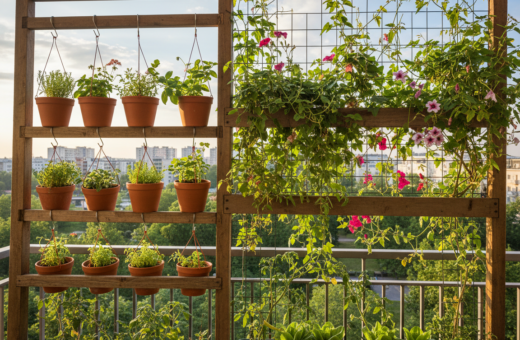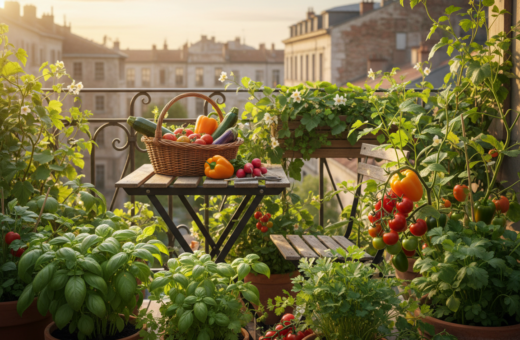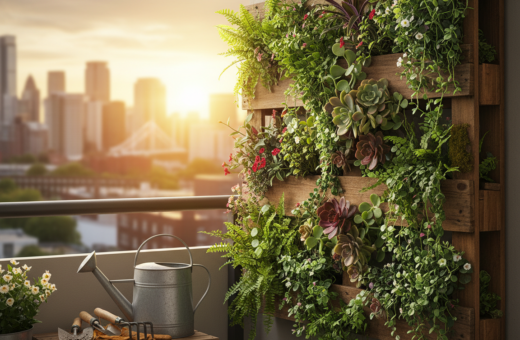
SingularGreen, a specialist in outdoor living installations based in Spain, shares a concise guide for anyone starting a living wall project. Many homeowners see a vertical garden as the best way to maximize space and beautify the exterior of their home.
These green installations boost oxygen and reduce pollution, which also help revive old buildings and enliven public spaces. But planning makes the difference between success and regret.
Proper placement of plants, a reliable irrigation system, and thinking about weight and drainage are vital. A single oversight can cause poor plant health or create structural issues on the wall.
Readers should learn the common pitfalls and how to avoid them. For a practical starter checklist and planting tips, see this beginner’s guide on creating a lush living wall at a beginner’s guide to living walls.
Understanding the Basics of Vertical Gardening
The idea of stacking plants on a wall dates back to ancient wonders like the Hanging Gardens of Babylon. Today, a vertical garden is a practical way to add greenery where space is tight.
Well-designed setups use a stable wall to support herbs, flowers, and even vegetables. Choosing the right planter and assessing the load is essential because soil and water increase weight.
Modern vertical gardening systems and other gardening systems vary in soil depth and irrigation. Picking a system that suits the chosen plants helps avoid poor growth and frequent replacement.
“The practice goes back centuries, but smart selection of planters and systems makes it work for today’s homes.”
- Ancient roots inspire modern solutions for small spaces and balconies.
- Select planters to match soil needs and the types of vegetables or herbs planned.
- Confirm the wall can bear the load before installation to protect the structure.
Common Vertical Garden Mistakes to Avoid
Many beginners underestimate how much planning a wall-mounted planting system truly needs. Small oversights in load, layout, and plant size often lead to costly repairs and poor plant health.
Structural Integrity Concerns
Heavy wooden or metal systems add significant weight once filled with soil and water. A Monstera deliciosa, for example, can reach four metres and dominate a terrace if its growth is not kept in mind.
Take a bit of time to research the wall’s load capacity before mounting any system. Use anchors rated for outdoor conditions and pick planters that match the wall and soil depth needed.
The Dangers of Overcrowding
Overcrowding restricts airflow and creates humid pockets that attract pests and disease. This is a common mistake that can allow root rot to develop when excess water collects at the bottom of planters.
- Account for the eventual size of your plants; some types grow large over time.
- Choose systems with proper drainage to prevent excess water and composting soil at the base.
- Match planter size to root needs and give vegetables room to spread for easier pest control.
Selecting the Right Plants for Your Environment
Plant choice starts with light and climate. He or she should map the wall’s exposure through the day and note if it gets at least six hours of direct sunlight.
Matching Light Requirements to Orientation
Place sun-loving species where they will receive steady sun. North-facing areas suit shade-tolerant plants, while south-facing walls sustain herbs and many vegetables.
For example, rosemary will not thrive in full shade even if it is hardy. Group plants with the same sunlight needs together to simplify care.
Soil, Planters and Grouping
- Use a nutrient-rich soil mix with good drainage for healthy roots.
- Choose a planter deep enough to support the root system of herbs and vegetables.
- Plan your vegetable garden so plants with similar light needs share the same space.
The 700 square-metre house in Alicante by Toni Spuch shows that even a large home requires careful species selection to match local climate.
“Proper soil management and the right planter form the foundation for lasting, healthy growth.”
Mastering Irrigation and Drainage Systems
How water moves through the soil and drains away determines long-term plant health on a wall system.
Preventing Root Rot with Proper Drainage
Gravity pulls excess water down, so proper drainage is vital to stop root rot. Soil that stays soggy blocks oxygen and kills roots.
Example: Eggologic Planter Pods include an integrated drainage port and extra openings to let excess water escape. That design helps keep soil aerated and plants healthy.
- Allow runoff paths so water cannot pool at the base of planters.
- Choose planters and soil mixes that promote quick drainage.
- Check drainage ports periodically to prevent clogging.
Benefits of Automated Drip Irrigation
Automated drip irrigation delivers even moisture to plants at different heights. It reduces waste and keeps consistent conditions for vegetables and ornamentals.
Managing Water Quality
Monitor local water for salts and conductivity. Some plants need low-conductivity water to avoid nutrient issues. Install accessible controls and pump access so adjustments are easy.
Essential Maintenance for Long-Term Growth
Regular attention to lighting, water, and soil makes all the difference in sustained growth.
Monthly checks should cover plant health, drainage points, and irrigation lines. He or she must inspect drip irrigation for clogs and confirm that runoff is not pooling at the base of planters.
Prune at least once every six months to keep growth manageable and prevent heavy foliage from stressing the wall. For areas with limited sunlight, use HPS lamps or full-spectrum LED fixtures to support flowering and leafy growth.
- Set a clear irrigation schedule so watering reaches every level of the system.
- Loosen compacted soil and monitor aeration to keep roots healthy.
- Keep up with pest control and treat issues early to avoid spread.
- Respond quickly if a bit of wilting appears; check the water lines and filters.
“Consistent care, not neglect, ensures these planted installations thrive for years.”
Conclusion
A successful project balances structure, plant choice, and a reliable irrigation plan from the start. This approach is the best way to create a thriving vertical garden at home. Thoughtful choices help plants settle, reduce risk to the wall, and also help conserve water in outdoor spaces.
By matching species to light and using proper irrigation, the owner can grow herbs and vegetables with less effort. Regular care and a bit of patience turn small plots into a productive vegetable garden filled with fresh herbs. With planning and steady attention, gardening becomes a rewarding way to bring nature into the home.