Apartment residents often watch soil dry quickly because indoor air is dry and space is tight. They need practical strategies that fit small rooms and busy schedules.
Well-chosen planters and pots can change a compact home into a lush retreat. A smart wall planter with good drainage and simple irrigation keeps plants healthy between chores.
Choosing reliable self watering pots helps ensure favorite plants get steady moisture through the work week. Reliable design and proper pot selection reduce stress and save time.
Key advantage: the right system uses space efficiently, protects roots from drying, and makes indoor greenery easy to maintain.
Understanding the Challenges of Apartment Plant Care
Many city dwellers find that indoor plants wilt faster than expected under apartment conditions. Small rooms, warm radiators, and dry air combine to speed moisture loss from pots and soil. That makes plant maintenance a frequent task for busy residents.
Common Causes of Dehydration
Small pots hold less soil, so they heat and dry out faster than outdoor beds. Frequent temperature swings from HVAC systems add stress. Overlooked drainage or poor pot choice can worsen water loss.
“Choosing the right planter and monitoring soil are the simplest steps to keep plants healthy.”
The Impact of Limited Space
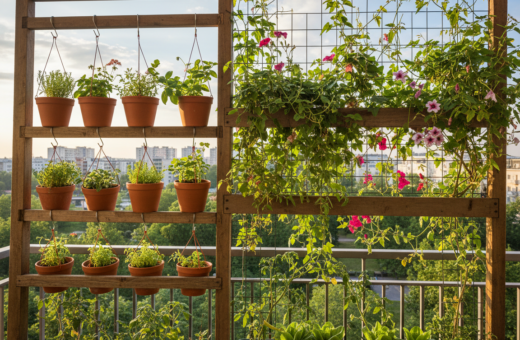
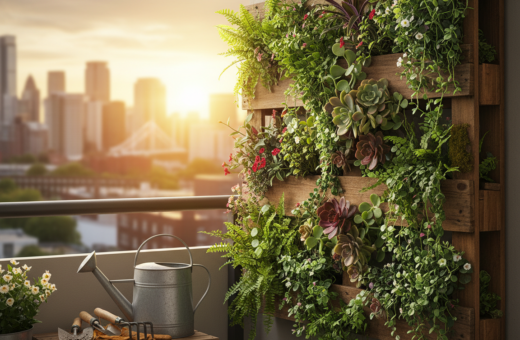
Limited floor area forces creative solutions like a mounted wall planter or hanging planters. A compact vertical garden can act as a privacy screen and attractive decor piece at once.
Benefit: mounting a wall unit frees floor space and concentrates plant care. For guidance on systems that fit small rooms, see the best vertical gardening system.
Why a Self Watering Vertical Garden is the Ideal Solution
A compact wall unit that supplies steady moisture solves many common indoor plant problems. It keeps soil from drying too fast and protects roots in small pots.
Consistent moisture: this planter design delivers water evenly so each plant gets the amount it needs. That reduces stress on herbs, ferns, and flowering houseplants.
Efficient distribution also means less fuss. An integrated irrigation channel moves water through layers of soil and potting mix. Plants stay healthier during busy weeks or short trips away.
- Space-saving layout frees floor area by using the wall.
- Attractive display with easy access for pruning and light adjustments.
- High-quality units cut down on daily chores and missed waterings.
Practical choice: investing in a reliable garden planter simplifies indoor plant care, improves air quality, and makes small homes feel greener without extra work.
Comparing Different Vertical Garden Designs
Choosing the right setup can turn an empty wall into a thriving display that saves floor area and adds warmth to a small apartment.
Wall Mounted Versus Freestanding Units
Wall mounted units maximize usable room and act as living decor that also provides privacy when placed on a balcony or near a window.
Freestanding options give renters flexibility. They can move a garden planter to follow light or to redecorate a room.
Many lightweight plastic kits simplify installation on common wall types and keep weight low. Choose durable plastic if renters need easy upkeep.
- Space-saving: wall systems free floor area and make a bold decorative statement.
- Flexibility: freestanding planters allow relocation for light, cleaning, or seasonal changes.
- Plant health: select a container that supports proper root growth and drainage for pots and small plants.
- Privacy: a well-placed line of planters can form a lush screen on decks or near windows.
Design choice depends on weight limits, the types of plants one grows, and how often they want to rearrange the setup.
Essential Factors for Choosing Your Vertical Planter
Not all planters are equal—selecting one with reliable features prevents common plant stress in homes.
Start with drainage holes. Adequate holes curb root rot and stop excess moisture from building up in pots. This simple detail protects fragile roots.
Prefer durable plastic construction for lightweight strength and moisture resistance. Many quality garden planters use plastic to keep kits easy to mount on a wall or hanging rail.
“A reliable water delivery system is the single most important feature for indoor plant success.”
- Count the number of pots in the kit to match the size of the plant collection.
- Check that the self watering mechanism works consistently and is easy to refill.
- Choose a design that balances style with enough space for root growth and routine access to water.
Final tip: test a small setup before expanding. A well-chosen garden planter saves time and keeps indoor plants healthy for the long term.
Top Product Picks for Lush Indoor Greenery
A well-built kit combines efficient irrigation, modular pots, and durable materials for lasting results.
Integrated Irrigation Systems
The Watex Urban Farming kit includes a 4-pack of panels with 1/4″ pipes for drip irrigation. This pack delivers steady water to each pot and reduces refill frequency.
Benefit: efficient delivery helps fragile plants stay healthy between visits.
Plastic Versus Natural Materials
The GreenStalk 5-tier system offers large capacity, holding about 5 cubic feet of soil across 30 planting pockets. It uses durable plastic for low weight and easy cleaning.
By contrast, a 3-tier wooden planter is crafted from 100% fir for a plastic-free look and natural decor appeal.
Space-Saving Modular Designs
Up the Wall Gardens ships a framed product that is 15.5″ wide x 24.5″ tall x 5.0″ deep—ideal for small living walls.
- Look for packs with built-in drainage holes to protect roots.
- Choose tiered kits that let users add more pots or tiers as the collection grows.
- Practical tip: pick a product with clear instructions for irrigation and maintenance.
Best Practices for Soil and Plant Selection
Good soil and smart plant choices set the stage for a thriving wall planter in small apartments. Choose a potting mix that combines light aeration with steady moisture retention to protect roots and encourage healthy growth.
Key tip: use a mix with perlite or coarse sand to improve drainage and prevent waterlogged pots. This is especially important for a garden planter that uses a reservoir or channel system.
Epipremnum aureum ‘Manjula’ Pothos is ideal for these setups. It trails well from a hanging or wall container and tolerates variable light and pot sizes.
- Pair a quality mix with a reliable self watering system so soil stays moist but not soggy.
- Place plants by their light needs so each pot on the wall gets adequate sun for steady growth.
- Ensure proper drainage holes to let excess water escape and protect indoor roots.
“Selecting the right mix and matching plants to light makes maintenance predictable and rewarding.”
For tiered setups and product guidance, consult the resource on tiered vertical garden structures.
Maintenance Tips for Long-Term Growth
Small adjustments to light and drainage make a big difference for long-term plant health. A few quick checks each week keep a wall planter efficient and reduce common issues with pots and soil.
Optimizing Sunlight and Drainage
Inspect drainage holes regularly to ensure they stay clear. Clogged holes trap moisture and harm roots in plastic and wooden planters.
Rotate the planters on the wall so each pot gets even sun. This prevents one-sided growth and keeps plants fuller.
Refill reservoirs for self watering systems on a set schedule and check irrigation lines monthly for clogs. If an irrigation line shows low flow, flush it or replace the segment.
Clean hanging pots and wipe down trays to prevent salt buildup and pests. Proper care of holes and trays extends the life of the planter and promotes steady growth.
- Check holes and trays weekly for free drainage.
- Set a refill routine for any water reservoirs.
- Rotate and inspect light exposure every two weeks.
- Service plastic and wooden planters seasonally to prevent wear.
“Consistent care of light and runoff is the simplest path to long-term vigor.”
Conclusion
Smart kits let apartment owners enjoy lush greenery with minimal daily upkeep.
, A self watering vertical garden is a transformative solution for small living spaces. The right planter delivers steady moisture and doubles as attractive decor in any home.
Regular maintenance is simple. Inspect drainage holes, check irrigation lines, and top off reservoirs on a schedule. These steps keep plants and pots healthy over time.
Choose between durable plastic modular units or natural wooden designs to match style and weight limits. A well-made planter saves time and supports long-term growth.
Investing in these systems lets renters enjoy a lush, green living space that thrives even in compact urban settings.