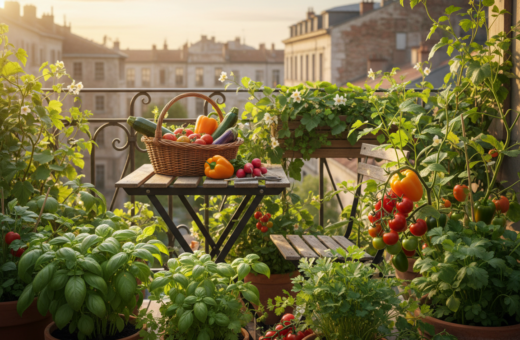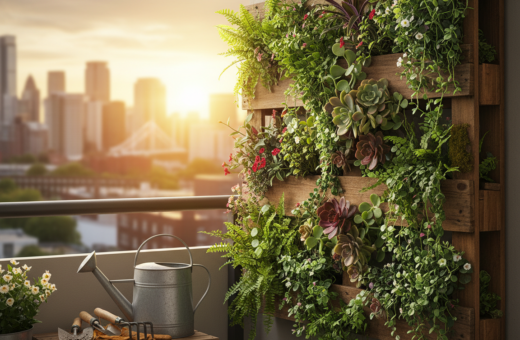
Urban residents often face tight balconies or tiny patios and think a productive garden is out of reach. This introduction explains how to turn limited outdoors into efficient growing zones that yield fresh vegetables and herbs.
By using vertical gardening methods, homeowners lift plants upward to save horizontal room. These approaches let them harvest more in less ground and keep beds tidy and accessible.
Creative DIY ideas help people adapt odd corners and railings into useful planting areas. Professional gardeners praise these setups for reducing bending and for making care easier.
Today’s techniques focus on efficiency: smart containers, modular racks, and drip systems that help plants thrive in what was once unused outdoors. This guide will show how to maximize such limited areas so gardens remain productive and attractive.
Understanding the Benefits of Vertical Gardening
Raising crops off the earth unlocks surprising yield and health gains. Homeowners can rethink how much food a compact yard produces by stacking plants upward. This method turns narrow patios and balconies into productive gardens without expanding the ground footprint.
Increased Yields
Grow more in less area. A classic example: squash needs about 20 square feet on the ground but only a few when trained on an arched trellis. That change lets gardeners harvest more vegetables and fruits from tight plots.
Improved Plant Health
Elevated beds and structures keep foliage off the soil. This reduces bacterial and fungal problems like blight. It also improves air flow and sunlight exposure, which strengthens plants and boosts yields.
- Produce is easier to pick at standing height.
- Raised arrangements protect food from ground-dwelling critters.
- A reliable watering routine matters; raised media can dry faster.
- Sturdy structures give vines consistent support and better growth.
Essential Planning for Small Space Vertical Gardening
A successful project starts with a site assessment focused on daily light and load-bearing surfaces.
Choose a location that receives six to eight hours of direct sun because most plants need that to produce well.
Check any fence or wall to confirm it can bear the weight of mature plants and wet soil. Reinforce posts or attach brackets when needed.
Measure available vertical space so vines and tall crops have room to reach their full size. Take into account roof overhangs and nearby windows.
Prepare the ground beneath supports with firm footing and good drainage so anchors stay stable through wind and rain. Healthy soil also helps roots establish faster.
Integrating walls and fences into the design expands garden area and keeps planting efficient. Proper planning prevents damage to structures and helps gardens stay productive all season.
- Prioritize sunlight and load capacity.
- Confirm footing, drainage, and soil quality.
- Design for growth and easy access to plants.
Selecting the Right Plants for Upward Growth
Matching plant habits to support systems transforms a narrow plot into a productive planting area. Choose varieties that climb naturally and fit available light and weight limits. This approach makes maintenance easier and raises yield per square foot.
Best Vining Varieties
Gardeners should prioritize reliable climbers. Pole beans and cucumbers are classic choices for a sturdy trellis because they use vertical support well and free ground for other crops.
- Tomatoes and peas readily grow vertically when staked or trained, producing healthy fruit and easier harvesting.
- Pole beans and pole-type cucumbers maximize planting density and reduce horizontal footprint in the garden.
- Include herbs and flowers to attract pollinators and add visual interest near vegetables.
- Squash can climb, but it needs 6 to 8 hours of direct sunlight and strong support to avoid damage.
Remember: ensure chosen plants get at least six to eight hours of sun daily for best results. For practical setup tips and more planting ideas, see a trusted guide on building a vertical garden.
Choosing Sturdy Structures for Your Garden
A well-built trellis prevents plants from sprawling across the ground and simplifies pruning. Gardeners should opt for supports that handle weight and weather so crops stay productive all season.
Practical sizing matters: an 80-inch trellis often costs about $35 and is designed to hold one cucumber plant. Experts recommend supports at least six feet tall and anchored at least 12 inches into the soil for stability.
Material choice affects longevity. Metal or iron frames resist wind and rain better than untreated wood. A solid structure reduces maintenance and protects investment in plants like tomatoes.
- Pick trellises at least six feet tall for heavy fruit.
- Push bases 12 inches into the soil to prevent tipping.
- Choose durable materials or reinforce an arch for long-term use.
Summary: selecting the right supports is a critical step in successful gardening. Sturdy trellises and well-anchored structures keep plants organized, protect the ground beneath, and help the garden remain productive.
Affordable DIY Trellis Ideas
DIY trellises turn common materials into reliable supports for climbing crops. These builds keep gardens productive while trimming costs. Each option below suits different walls, planters, and plant habits.
Welded Wire Options
Welded wire is a budget-friendly way to create multiple trellises. A roll of 600 inches costs about $35—similar to a single 80-inch store trellis.
Use stakes or attach wire to a frame to train beans, peas, cucumbers, and tomatoes. It’s light, flexible, and easy to cut to fit arches or panels.
Repurposed Fencing
Old fencing, bed frames, or lattice make attractive, unique supports. Repurposed materials add character and reduce waste.
Mount panels to walls or freestanding posts to carry herbs, flowers, and vining vegetables. Planters or hanging baskets pair well with these structures.
Using T-posts
T-posts are an affordable anchor—often under $4 each—and work well with wire or netting. Drive them into the ground every few feet for a sturdy system.
- Combine T-posts with welded wire for wide trellises.
- Stack hanging baskets on walls to add herbs and flowers above crops.
- Build arches or reinforced frames to support heavier tomatoes and squash.
Bottom line: affordable materials let gardeners build multiple trellises and structures. This increases yield and keeps a garden organized without costly purchases.
Building a Productive Vegetable Arch
A sturdy arch built from cattle panels creates a walk-through trellis that supports heavy vines. This method turns a simple path into a productive garden feature that is both attractive and functional.
Begin by sinking posts on both sides and fastening the wire panel firmly to them. Dig deep trenches along each side and backfill with nutrient-rich soil to give plants a strong start.
Planting pole beans, peas, cucumbers, or tomatoes at both ends lets roots establish and climb the arch. This approach helps plants stay off the ground and reduces pest problems.
- Secure the wire to posts so the arch holds heavy fruits like squash and tomatoes.
- Water consistently and check ties weekly to guide growth up the trellis.
- Routine maintenance keeps the arch producing food and offering shaded passage.
For step-by-step plans and materials, consult a trusted cattle-panel guide on building a cattle panel trellis. This DIY arch is a practical way to grow vertically and boost garden yields.
Creating a Living Wall for Herbs and Flowers
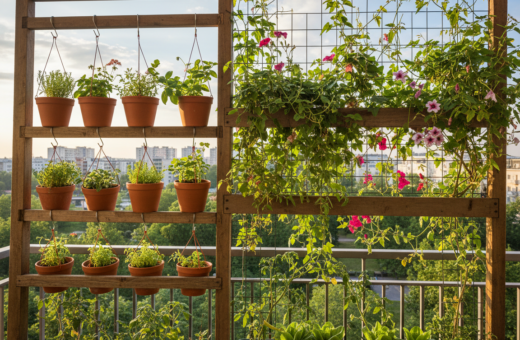
A living wall turns an ordinary blank wall into a productive band of herbs and blooms. This approach uses a trellis panel to support pots and planters so herbs and flowers grow upward and stay accessible.
To install one, drill holes in a sturdy wall and mount strong L-shaped hooks. Level the panel and secure it so the system carries the weight of soil and wet pots without shifting.
Choose low-growing vegetables, herbs, or colorful flowers for the pots. Use lightweight potting mix and attach pots evenly across the trellis to keep airflow and light distribution balanced.
- Even spacing: place pots so each plant gets sunlight and air.
- Water carefully: wall-mounted planters dry faster, so check moisture often or add a drip line.
- Rotate and prune: swap pots seasonally to refresh herbs and flowers and maintain vigor.
Well-built living walls transform plain walls into attractive, productive gardens that supply fresh herbs for the kitchen while adding curb appeal to outdoor spaces.
Constructing a Bean Teepee for Climbing Crops
Building a teepee is a quick, low-cost way to support pole beans and other climbers. This DIY structure gives plants a sturdy trellis that keeps vines off the ground and makes harvesting easier.
Use six to eight bamboo canes or hazel poles and push them into the soil in a circle. Angle the tops inward and tie them securely with garden twine to form the cone.
Add horizontal bands of string or light wire between poles to create climbing guides. Plant beans, peas, or small tomatoes at the base of each pole and gently train young shoots toward the frame.
- Compact planting: the teepee maximizes vegetables in a tight garden area.
- Simple care: ties and bands give vines a clear way to climb without extra supports.
- Kid-friendly: the cone can double as a green play arch and a learning spot for children.
Tip: reinforce the base in windy sites and check ties each month to avoid damage as plants thicken. A well-made teepee is a reliable, attractive structure that boosts yield and keeps planters tidy.
Managing Watering and Maintenance Needs
Consistent moisture is the single biggest factor that keeps stacked planters and wall mounts productive all season. Plants in upward systems dry faster than ground beds, so routine checks matter.
Automating irrigation systems saves time and delivers steady water to hanging baskets, planters, and trellis lines.
Automating Irrigation Systems
Install a drip or micro-sprinkler system on a timer to give even water to tomatoes, beans, peas, herbs, and flowers. A simple timer and pressure regulator cost little and cut daily chores.
Tips for reliable performance:
- Check emitters weekly and flush lines each season to avoid clogs.
- Use a soil moisture probe in planters to fine-tune run times.
- Adjust schedules during heat waves; wall-mounted planters dry fastest.
Regular maintenance keeps a garden healthy. Prune to improve airflow, scout for pests, and replace worn ties on trellis and other structures.
- Monitor moisture, especially in hanging baskets and narrow planters.
- Automate watering to reduce stress on climbing plants and vegetables.
- Perform seasonal checks on the system and supports.
Bottom line: automated watering lets gardeners enjoy their gardens more and worry less about daily watering needs, while simple upkeep keeps plants productive.
Conclusion
strong, practical benefits emerge when one adopts vertical gardening ideas that fit a balcony or patio. Thoughtful choices let a homeowner add productive features without major renovation.
Living walls and trellised arches bring herbs, flowers, and vegetables into reach. Well-placed planters on a wall increase yield and brighten the view.
Durable planters and timed irrigation reduce chores and protect plant health. These measures help vertical gardens stay productive through the season.
Start with one or two projects, follow sturdy designs, and your gardens will reward effort with fresh food and beauty for years to come.