Kristi Armes published practical guides in January 2026 that showed beginners how to make the most of small outdoor areas. She noted that a stacked approach is the most efficient way to grow food in a small home space.
This introduction explains how a compact setup lets residents cultivate fresh herbs without losing precious floor room. It highlights simple ideas for using walls and panels to turn tight spots into productive green places.
Readers will learn clear, step-by-step methods that fit typical U.S. apartments. The guide focuses on practical tips for plants, easy maintenance, and ways to keep a small home organized while maximizing harvests.
Understanding the Benefits of Vertical Gardening
Stacking plants upward makes the most of limited square footage and lets small outdoor areas produce more food. This approach is ideal for small apartment balconies and tight rooms where floor space is scarce.
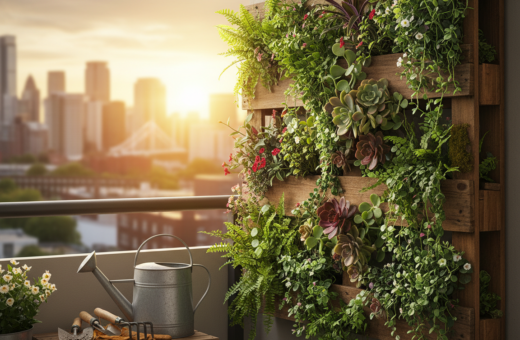
Efficient use of walls and structures helps homeowners grow a surprising number of plants in a compact footprint. By using wall planters and modular planters, people turn bare walls into productive gardens that supply fresh leaves and seasoning for the home.
- More plants per square foot — layering creates multiple growing levels.
- Cleaner, clutter-free walls and balconies that improve curb appeal.
- Flexible planters and structures that fit various garden ideas and spaces.
In short, this way of gardening lets gardeners maximize harvests and beautify small outdoor spots while keeping the room organized and productive.
Assessing Your Balcony Microclimate
First, note how light and air move across your outdoor room each day. A short survey helps decide which plants will thrive and where to place planters. Most edible crops need at least six hours of direct sun to do well.
Evaluating Sunlight Exposure
Track sun patterns at different times to find the sunniest part. Mark hours of direct sun and test shaded corners for a week.
If the space gets under six hours, pick lower-light plants or relocate pots to sunnier walls. Many gardeners find that pots in the bright part of the balcony outperform shaded containers.
Managing Wind and Building Regulations
Check wind exposure and the strength of walls before mounting heavy planters. High winds can dry soil and stress plants quickly.
- Confirm local rules on attachments and weight limits to protect the home.
- Use sturdy fixings and light pots where wall anchors are limited.
- These vertical garden ideas help tailor the setup to each balcony’s microclimate.
Selecting the Right Vertical Herb Garden Balcony System
A well-chosen structure can turn limited wall space into a productive, attractive planting area. The right system matches the size of the room and the sunlight profile while keeping maintenance low.
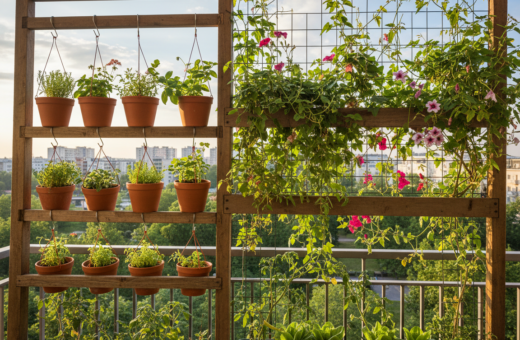
The Garden Tower 2 is a popular freestanding planter that builds a full soil ecosystem. It lets users grow many plants without drilling into walls, which protects building finishes and meets most rental rules.
Many gardeners pair freestanding units with a simple trellis to support climbing plants. High-quality planters and containers give roots room during the hot summer months and reduce watering frequency.
- Choose a type that fits weight limits and access for watering.
- Favor durable planters that resist sun and heat during summer.
- Combine structures—towers, pots, and a trellis—to maximize plants and flowers.
Tip: Opt for modular systems to scale up as needs change. The right mix of planters and supports keeps small home gardens productive and attractive.
Essential Tools and Materials for Your Project
Choosing the right tools and reclaimed materials cuts costs and boosts the life of a DIY project. Start with durable fixings, basic hand tools, and a plan for attaching containers to walls. Small investments pay off with safer, longer-lasting results.
Sourcing Sustainable Materials
Reuse where possible. Salvaged wood, recycled planters, and stainless fasteners resist weather and reduce waste. Many gardeners find that sustainable choices keep a home garden thriving for more than one year.
- Pot clips that fit 5-8 inch pots secure standard terracotta containers to wall panels.
- Use a drill, saw, and level so planters sit true and hold soil without strain.
- Choose light planters and spread weight across studs or anchors for safe walls attachment.
- Follow simple DIY vertical ideas to match the room size and sun exposure.
- For more setup inspiration, review a sample project on the sample page.
Tip: Test fastenings with an empty pot before planting to protect plants and maintain the structure through the year.
Preparing the Base and Structural Supports
A solid base and reliable supports make any small planting project last through changing seasons. This section walks through the key steps to build a safe frame that keeps planters and pots steady on a wall or the ground.
Constructing the Base Box
Cut four boards to size and sand edges with 150-grit sandpaper for a smooth finish. Use 31.5-inch horizontal pieces for the base frame so the box sits square and level.
Tip: Fasten corners with galvanized screws and check for level before adding soil or pots.
Attaching Vertical Cross Pieces
Stand the base and secure vertical supports to the box. These cross pieces form the main bracing that stops tipping and spreads weight to the wall or ground.
Installing Horizontal Strips
Attach narrow horizontal strips across the verticals to create a trellis-like surface. This gives plants room and lets planters clip in without shifting.
- Reinforce the top with an extra strip so the structure stays stable through the year.
- These DIY vertical ideas help maximize every inch of room and protect home walls.
Choosing the Best Herbs for Vertical Growth
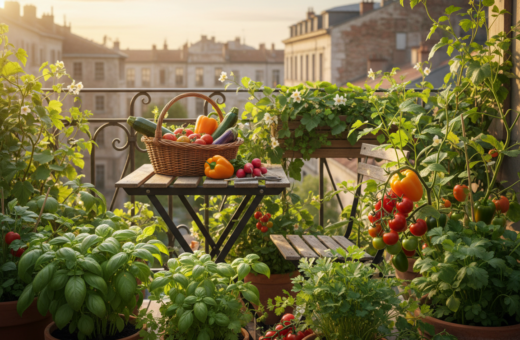
Opt for plants known for steady growth and easy harvests when space and soil are limited. Select spicy oregano, parsley, sweet basil, and cilantro for pots that hang on a wall or sit in stacked modules. These types perform well in limited soil and respond to regular pruning.
Planting flowers alongside herbs helps attract pollinators and boosts overall productivity. Small annuals like marigolds and alyssum fit into tight pots and add color without crowding edible plants.
Ensure each location receives enough sun so leaves stay flavorful and production stays high. Rotate pots if some spots get uneven light to keep plants vigorous through the season.
“Selecting the right type of herbs is essential for a productive container setup that delivers fresh flavors all season.”
- Choose compact plants such as basil and parsley for frequent harvesting.
- Use well-draining pots so roots stay healthy in a wall system.
- Mix flowers and edibles to attract beneficial insects and lift curb appeal.
For step-by-step planting tips and placement ideas, see how to grow herbs on a.
Optimizing Soil Health and Nutrient Retention
Good soil structure makes the difference between a thriving wall of pots and a string of failures. This section explains simple steps to keep soil rich and to help water move nutrients down through stacked containers.
Mix compost or worm castings at 10–20% into potting media. This level boosts nutrient availability and improves moisture retention without making the mix heavy.
Place the richest soil at the top of the system so water carries nutrients downward. This creates an even feed for plants on every shelf or pocket.
- Incorporating 10–20% compost or worm castings into your soil is a proven way to keep your vertical garden plants healthy.
- Using high-quality containers helps retain water, which is crucial for plant health on a sunny balcony.
- Layer nutrient-rich mix at the top so water distributes food to all plants along the wall.
“A balanced potting mix reduces watering frequency and supports steady growth across stacked containers.”
Tip: Monitor moisture with a finger test or a simple meter. Adjust mixes if soil dries too fast or stays soggy.
For further reading and practical soil care ideas, see soil care ideas.
Watering Techniques for Small Spaces
Regular watering keeps container plants healthy in hot, windy conditions. Plants in balcony containers usually need water two to four times per week, depending on heat, wind, and how much sunlight they get.
Choose containers that hold moisture well to reduce trips with a watering can. Use mixes with added compost or water-retaining crystals so the soil stays evenly damp for longer.
Check soil a bit deeper than the surface before watering. Stick a finger or a moisture meter two inches down; if it feels dry, it is time to water again.
Use these practical ideas to manage limited space and shifting light.
- Schedule: Water 2–4 times weekly in intense sun or windy spots.
- Containers: Favor pots that retain moisture and drain well.
- Placement: Move thirsty plants to shadier spots during heat spikes.
- Consistent care: Small spaces require steady attention for steady yields.
“Consistent watering is the key to a successful herb setup, especially in small-scale gardening.”
Managing Pests and Airflow
Strategic elevation and routine inspections protect plants from ground pests and fungal problems. Keeping pots off the ground makes it harder for slugs, beetles, and other critters to reach basil and other herbs.
Give each wall planter space to breathe. Proper airflow around a wall system reduces humidity and lowers the chance of disease during hot sun.
Simple checks help catch problems early. Inspect leaves, stems, and soil every week for chewing, eggs, or sticky residue.
- Keep no part of the system touching the ground to block soil-borne pests.
- Allow gaps between pots so air can move and dry wet foliage quickly.
- Remove infested leaves and rinse lightly with water when needed.
- Use natural deterrents and tight-fitting screens where critters are common.
“A clean, well-spaced system is the most effective preventive strategy for small-scale plant setups.”
Tip: These ideas focus on creating a tidy environment so herbs thrive with less pest pressure and fewer interventions.
Conclusion
Building a tailored planter gives small-space dwellers an easy path to year-round production.
Starting this project is a rewarding way to grow fresh herbs and improve a compact room at home. By following practical tips, anyone can make the most of limited space and enjoy productive gardens through the year.
Simple ideas—from smart soil mixes to steady watering—help cultivate a variety of plants even in narrow outdoor areas. Investing a little time to build a custom planter yields a beautiful, functional result for many seasons.
These approaches suit renters and homeowners who want efficient, low-maintenance solutions for small balconies and shared spaces. Start small, follow the tips, and expand as confidence grows. strong,