Urban residents often treat their outdoor area as an afterthought. Landscape designer John Evans of Hoerr Schaudt warns that poorly planned layouts hurt function and comfort. Rosalia Sanni of Rosalia Sanni Design says a successful patio deserves the same care as an interior room.
This page highlights how common choices can make a balcony feel boxed in. It explains why the outdoor space should be seen as an extension of the home and offers clear moves to feel more open.
By treating the balcony as a secondary room rather than a leftover patch, residents unlock better flow and use. Professionals point to early planning of the bones—layout, pathways, and vertical use—as the key to a more inviting result.
For practical layout fixes and tips on choosing proportionate pieces, see a helpful guide on layout fixes that address traffic, height, and cohesion at layout fixes.
Understanding the Impact of Small Balcony Privacy Mistakes
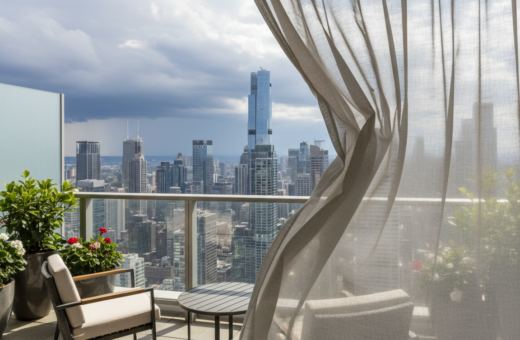
Visible sightlines from surrounding units often make an outdoor ledge feel like a stage rather than a retreat. Lower-level apartment ledges frequently face direct views and street noise, which reduces use and comfort. When people think of their outdoor area as an extension of the living room, they design it to feel private and useful.
The Psychology of Cramped Spaces
Feeling watched changes behavior. When neighbors can see into an outdoor spot, residents avoid lingering. That shift in the mind makes even generous layouts feel closed and less inviting.
Why Privacy Matters
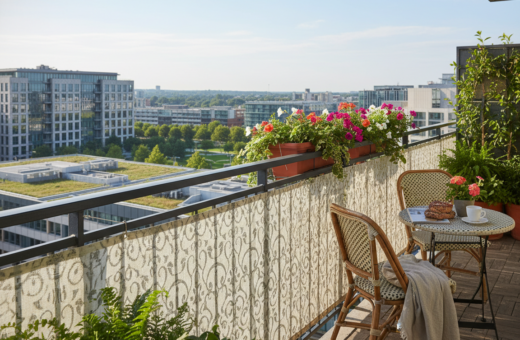
A well-placed balcony privacy screen offers a fast, effective fix. It blocks prying eyes, reduces noise a bit, and helps the area read more like a room than a passage.
- Living in an apartment often means neighbors can see directly into the outdoor area.
- Treating the area as part of the home helps guide design decisions that block sightlines.
- Installing a simple screen can restore comfort, improve style, and encourage use.
Rushing the Design Process
When a design is rushed, the result usually reads like a leftover patch rather than a purposeful room. Rosalia Sanni warns that hasty layouts produce plain, rectangular slabs that feel like afterthoughts.
Take time to plan. A well-considered patio should be treated as an interior extension of the home. Planning how the space will function day to day leads to stronger, more personal choices.
Slow decisions yield better results. Reflecting on how the space will be used — morning coffee, weekend meals, or quiet reading — helps shape lasting solutions.
“A well-planned outdoor room should be an extension of your life.” — Rosalia Sanni
- Rushing prevents fresh ideas for a balcony or garden from emerging.
- Thoughtful design ties the outdoor area to daily life and home flow.
- Slowing the process opens room for creative ideas and practical touches.
Overcrowding with Furniture and Plants
A crowded layout can turn an outdoor spot into a tricky maze rather than a place to relax.
Balancing Circulation and Comfort
Keep in mind that furniture must leave room to move. John Evans of Hoerr Schaudt stresses that the ledge needs to fit seating while allowing clear pathways.
Choose a compact table and chairs that suit the scale of the area. This helps the floor stay open and prevents blocked routes.
Too many plants can overwhelm the view and eat usable floor. Pick a restrained planting style and place pots where they frame the room instead of filling it.
- Overcrowding makes the space harder to navigate.
- Select furniture that balances seating with open floor for movement.
- A bit of restraint keeps the area feeling like an extension of the room.
“A successful design balances seating needs with open paths,” says John Evans.
Choosing Planters That Are Too Small
Picking the wrong pot size often leaves greenery looking sparse and out of scale with the space.
Janice Parker warns that tall cylinders with narrow openings feel unbalanced. They show too much rim and too little plant. That arrangement fails to create a lush cover and leaves residents exposed to neighbors’ eyes.
The solution is generous, well-proportioned planters. Choose pots that let foliage spill and fill the container. Full planting gives a cohesive, room-like look and improves privacy.
- Undersized pots make plants look sparse and out of scale.
- Janice Parker advises to choose plants that fill the opening for visual balance.
- Right-sized pots create a better privacy cover and shield you from prying eyes.
- Proper plant selection is a simple, effective solution to achieve a lush look.
“Avoid tall, skinny containers with tiny mouths; they often read as top-heavy and empty.”
Ignoring the Path of the Sun and Shade
Where the sun travels matters more than most people expect when planning an outdoor ledge. Rosalia Sanni stresses evaluating the sun and existing shade before any layout or material choice. A clear read of light patterns helps match the area to daily needs.
Planning for Natural Light
Map sunlight across morning, midday, and late afternoon. Place seating so it benefits from sun when desired and stays cool when needed. Position plants to get the light they need without blocking useful shade.
Incorporating Shade Solutions
Practical shading keeps a space usable through summer. Bamboo roller blinds come recommended; they are easy to lower on hot afternoons and remove when seasons change. Adding soft lights extends use into evening hours while keeping things cozy.
- Ignoring the sun can make a balcony too hot to use in summer.
- Assess the sun’s way to position furniture and plants for comfort.
- Choose blinds or layered solutions to balance light, shade, and privacy.
“Planning for natural light and shade is the best way to ensure the space meets your comfort needs.” — Rosalia Sanni
Failing to Consider Interior Views
When interior sightlines are overlooked, the outdoor area can feel like a hard wall instead of a true extension of the home. John Evans of Hoerr Schaudt notes that designers must plan how the balcony reads from inside. The view through glass doors should invite the eye, not block it.
Arrange furniture so it frames the outlook and complements the adjoining room. A clear path from the interior to the outside helps both spaces feel cohesive. Treat the layout as part of the room, not an afterthought.
Design moves like low-profile seating, aligned plantings, and a consistent color palette strengthen the visual link. These choices also reduce direct sightlines from neighboring windows and help protect privacy from prying eyes.
- Prioritize the view from inside when planning placement and scale.
- Use layout to make the outdoor space read as an extension of your home.
- Frame the scene so the room and exterior work together and feel more open.
“Think of the outdoor area as part of the interior composition to achieve flow and cohesion.” — John Evans
Selecting Inappropriate Privacy Materials
Material choice changes how an outdoor ledge feels and performs. The right selection balances airflow, weather resistance, and visual calm.
Breathable fabrics help prevent heat buildup against the wall and keep the area comfortable on hot days. Breathable HDPE screens resist wind while letting air pass. Waterproof polyester holds up in rain and avoids sagging when wet.
Choosing Breathable Fabrics
Canvas curtains offer a classic, rugged look and cut harsh sun without sealing off air. Lightweight mesh or HDPE keeps views and airflow while still delivering privacy.
- Selecting heavy, non-breathable coverings can trap heat and make the space feel stuffy.
- Canvas or mesh fabrics are smart solutions that pair comfort with style and durability.
- Use the right materials—curtains, blinds, or HDPE—based on local wind and rain patterns.
- Evaluate longevity and maintenance to ensure the treatment stays functional and attractive.
Practical tip: match materials to climate—choose breathable screens for wind, waterproof polyester for wet sites, and canvas curtains to block intense sun while keeping a relaxed style.
Improper Installation of Privacy Screens
A taut installation is the difference between a polished outdoor room and a ragged patch. A loose screen flaps, sags, and makes the whole place look unfinished. That undermines both function and style.
For many apartment ledges, a 3x16ft screen is a common cover. It should be pulled tight and fixed to the railing or wall.
Use the right fastenings. Zip ties or sturdy rope make a secure, neat solution. Tension keeps the screen stable in wind and gives a clean, professional look.
- Improper installation can leave gaps and reduce privacy.
- Secure a 3x16ft screen to railing or wall so it stays taut and durable.
- A well-installed screen also protects the floor and furniture from sun and spray.
“A tight, well-anchored screen is often the most effective way for apartment dwellers to create a private, comfortable outdoor room.”
Neglecting Vertical Space for Decor
Using the walls above and beside your outdoor area can transform how it feels and works. When floor room is tight, the vertical plane becomes the best spot to add plants, texture, and function.
Utilizing Trellises
Trellises allow climbing plants to rise without taking up floor area. They create a living screen and improve air flow while adding greenery that reads like a natural wall.
Hanging Pots for Greenery
Hang pots along the railing or overhead to add a bit of color and a soft barrier. This approach boosts balcony privacy and makes the ledge feel like an inviting extension of the home.
Vertical Wall Panels
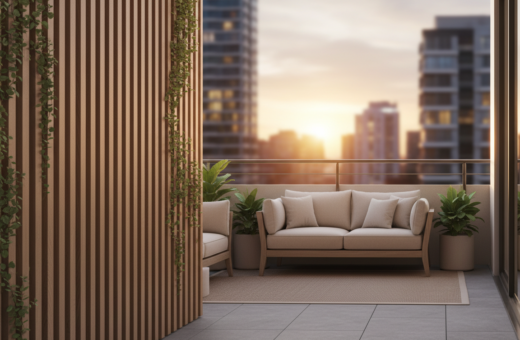
Vertical panels—including faux green panels—offer instant coverage and shape. They come in varied textures and colors and pair well with curtains, lights, and simple decor to craft a cozy scene.
- Neglecting vertical space wastes valuable visual real estate.
- Trellises and panels free floor area while adding lush greenery.
- Hanging pots, curtains, and string lights create style and warmth.
Overlooking Seasonal Climate Needs
Plan for year-round conditions. Residents should keep mind how sun, wind, and rain change across the seasons when choosing a cover or a screen for the balcony.
Porch screens about 3.3 feet high work well to guard against wind and rain and to preserve decor and fabric. Choosing an easy-to-remove cover lets the space adapt over time.
Protect plants and textiles. Wet winters can rot pots and ruin curtains. Strong winds shred light fabric and stress plants, so select durable materials and move sensitive garden items inside when needed.
- Ignoring seasonal needs can damage plants and fabric and make the floor and wall prone to moisture problems.
- Flexible screens and modular covers let a space change as needs shift over time.
- Planning ahead keeps the outdoor spot a useful part of life through every season.
Creating Awkward Outdoor Kitchen Layouts
A poorly oriented grill often interrupts conversation and makes cooking feel separate from the gathering. Janice Parker of Janice Parker Landscape Architects notes many setups place the cook with their back to the dining area, which shuts down the social flow.
Switching orientation is a simple way to make the whole area feel more social and less awkward. Position the grill so the cook faces the table and chairs. This small change opens sightlines and invites interaction.
- Common problem: layouts that block movement and make a room feel cramped.
- Practical fix: orient work surfaces to face guests and create a clear service way.
- Design goal: blend cooking and dining so the space reads like an extension of the living room.
“Find a way to orient your grill so the cook faces the table and chairs.”
Consider guests’ needs when planning. Thoughtful layout choices improve style and function and help the balcony become a bit of a luxury retreat rather than an awkward add-on.
Relying on Bulky Outdoor Heaters
Oversized heaters can turn a private outdoor nook into something that reads like a public plaza. Large units dominate the view and reduce usable floor space.
Janice Parker recommends choosing fire tables or fire bowls instead of heavy, freestanding heaters. Fire elements are more compact, attractive, and easier to store in summer.
The right heating choice keeps a home feeling warm without sacrificing seating or furniture. Opting for a low-profile fire table preserves sightlines through the glass and keeps curtains and blinds from looking crowded.
- Relying on bulky heaters clutters the space and makes it feel public.
- Fire tables and bowls are beautiful, stowable alternatives.
- Smaller heating solutions free room for chairs, lights, and decor.
- Avoid large materials that block the glass or interrupt the view.
“Use low-profile fire elements to keep the area cozy without taking over the layout.” — Janice Parker
Conclusion
A few final choices shape how the outdoor area performs. With a strong, clear plan and simple edits, the space becomes a true extension of the home.
Taking the time to arrange furniture and select the right solutions for balcony privacy helps the area feel inviting rather than cramped.
This page offered practical tips to make the spot useful and stylish. By choosing proper chairs and treatments, residents protect comfort and long-term value.
Follow these ideas and the outdoor space will reward them as a comfortable, private retreat that feels like part of the house.