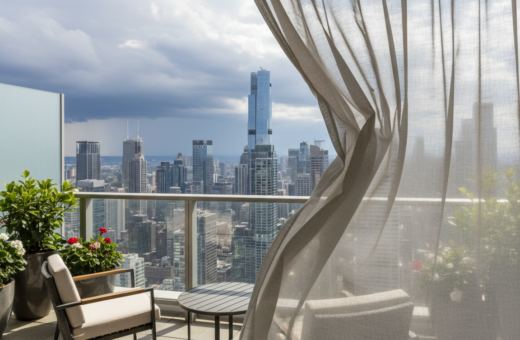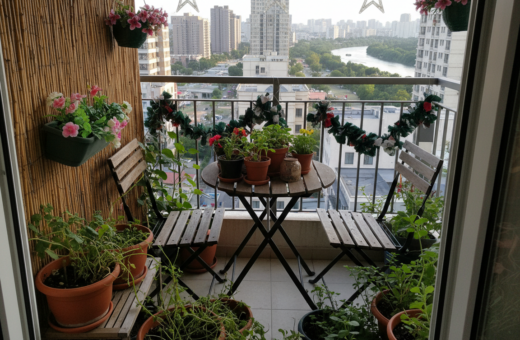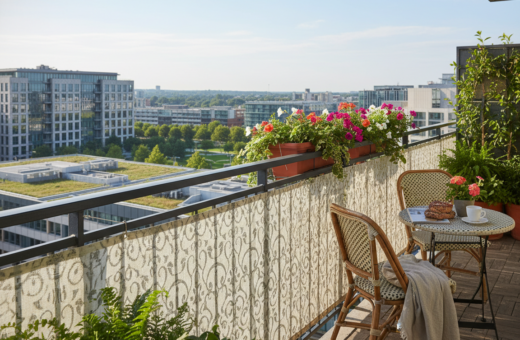
The modern renter often seeks a calm outdoor niche without long projects. They want a durable solution that transforms a railing or small wall into a usable living space.
A quality privacy screen serves as a strong barrier that shields sightlines while lifting the look of the area. It saves time and avoids permanent changes to the building.
Many residents pair slim panels or vertical plants to make the area feel like an extension of their home. Light curtains or natural materials can soften the scene and improve comfort year-round.
These choices balance function and style for apartment life, giving people a private, welcoming outdoor room with minimal upkeep.
Why Apartment Dwellers Need Privacy
When buildings sit close together, residents can feel exposed every time they step outside. A shared corridor of sightlines makes it hard to relax in one’s own outdoor space.
Constant observation by neighbors changes how people use their space. Daily routines like reading or sipping morning coffee lose their comfort when others can watch from across the way.
Mental rest benefits when a resident can retreat without interruptions. Creating a private zone in an apartment helps restore calm and improves overall living quality.
“Reclaiming a small outdoor area can make a home feel larger and more personal.”
Simple barriers cut unwanted views and ease the pressure of being seen by curious eyes. With a bit of intent, anyone can turn exposed rail edges into a quiet, usable corner of their home.
Benefits of an Easy Balcony Privacy Setup
Transforming a tight exterior corner into a restful spot starts with the right materials. A simple covering can expand usable outdoor living while avoiding major work.
Noise Reduction
Well-chosen fabric and a taut curtain absorb street sound. Residents who add durable panels or layered textiles report fewer distractions.
Positioning a curtain near the rail and securing it to a post cuts echo and lowers traffic noise. This makes the patio more suitable for reading or casual meals.
Weather Protection
Waterproof polyester fabric works best for rain and wind on exposed areas. It keeps furniture dry and reduces sun fading on cushions.
Using strong fabric also creates shade and shields fragile plants. For changing seasons, removable panels let an apartment adapt without permanent change.
- Quick installation improves the outdoor space with minimal cost.
- Quality materials protect furniture and extend usable months.
- A well-planned post or mounting point keeps everything secure.
Essential Tools for Installation
Gathering the right tools first makes attaching a screen much quicker and neater.
Core items to have:
- Heavy-duty zip ties or metal wires to secure the privacy screen to rail posts.
- A reliable measuring tape to confirm the span across the patio and avoid gaps.
- A sharp pair of scissors to trim excess ties after material is pulled taut.
- A marker to note cut lines and a small level for a straight, professional finish.
Most apartment railings are metal, which allows for firm attachment without drilling. This makes installation faster and reversible when moving out.
Tip: Keep spare ties and a folded tarp in case weather requires temporary protection. Proper preparation speeds the job and gives a cleaner result for busy residents.
For ideas on materials and placement that work well with common rails, see the guide to improve balcony privacy.
Measuring Your Balcony for a Perfect Fit
A precise measurement is the best defense against gaps and awkward overhangs when ordering a cover. Taking time to measure reduces returns and helps the final look feel intentional.
Checking for Discrepancies
Suppliers often accept a 2% discrepancy for custom-ordered items. Still, buyers should aim for exact numbers to avoid a loose or tight fit.
Measure the full length of the railing and the height from floor to top rail. Note any obstructions like posts or curved sections that change the usable span.
- Measure twice: confirm the entire rail length so the privacy screen covers the whole space.
- Account for irregular shapes: non-standard dimensions call for custom orders to prevent gaps.
- Record exact heights: small height errors can leave visible seams or expose the area.
- Verify before purchase: double-check numbers to avoid a screen that is too short or too long.
Tip: Accurate measurements ensure installation looks professional and gives the maximum level of privacy for an apartment.
Installing Privacy Screens on Railings
Start installation by planning anchor points so the screen holds steady in wind and use. A clear plan reduces rework and keeps the material lasting longer on an apartment rail.
Securing the Corners
Begin by fastening each corner to the strongest metal posts. Use heavy-duty zip ties or stainless wire for a firm connection.
Tip: Double-loop ties around posts to avoid slipping during gusts.
Ensuring a Taut Fit
Work along the side of the railing and pull the fabric tight as you go. Keep tension even to prevent wrinkles and flapping.
If the rail curves or has obstructions, adjust tension on each section until the screen sits flat and aligned.
Trimming Excess Ties
After all fasteners are secure, trim excess tie tails with sharp scissors for a neat look. This step protects clothing and plant foliage from snags.
- Check all corners and midpoints for uniform tension.
- Retighten ties after a week to compensate for stretch.
- Inspect metal contact points to prevent abrasion of the material.
“Proper installation not only improves the look of a home but also helps the material withstand windy conditions.”
Using Lattice Panels for Architectural Interest
Architectural lattice adds depth and a tailored look to an otherwise flat wall. Lattice panels come in wood, vinyl, and metal, so residents can match structural needs and decor preferences.
They attach neatly to an existing fence or to a post near the rail. A trellis-style panel makes a striking backdrop for climbing vines while keeping airflow and light.
These screens work well where a solid barrier would feel heavy. Lattice offers privacy without blocking the sun, helping a small patio feel larger and more defined.
- They add architectural interest and a refined look to any outdoor space.
- Easily fasten a panel to a fence or post to support plants and create a focal wall.
- Use lattice screens to define a patio or backyard area while letting light through.
“Lattice panels deliver both function and style, shaping a private garden feel in tight quarters.”
Creating Natural Barriers with Tall Grasses
Choosing dense grasses gives tenants a living barrier that breathes and bends in the wind. Tall ornamental varieties, like pampas grass and feather reed grass, reach heights that can block views from nosy neighbors while adding texture to the outdoor space.
These plants suit container gardening — plant them in large pots or wooden boxes to form a portable fence. Grouping three to five containers creates a fuller wall that shields sightlines and softens hard rails or a plain wall.
Maintenance is straightforward: occasional trimming, seasonal cleanup, and regular watering early in establishment. That low upkeep makes them a practical choice for busy residents who want a garden feel without heavy work.
Planted in a row, tall grasses deliver visual height and gentle movement. They improve living comfort and reduce direct views from neighbors while remaining removable when leases end.
- Tall ornamental grasses block the view of nosy neighbors.
- Use large pots to create a portable fence without permanent change.
- Group pots for density and low-maintenance garden screening.
“A living barrier of ornamental grasses can turn a narrow rail into a calming garden edge.”
Bamboo Blinds for Adjustable Shade
Bamboo blinds bring a flexible, natural layer of shade that adapts to changing light. They roll down to block sun and roll up to open the view. Residents can fine-tune how much sun reaches furniture or plants.
These screens work well on a small patio or a narrow balcony. They offer functional privacy while preserving airflow. A roll-down blind can perform like a lightweight curtain without altering the rail or building a permanent fence.
The natural weave adds warmth and texture that improves the overall space feel. Blinds resist sun fade and come in trims that match most outdoor decor.
- Control light: lower or raise to suit time of day.
- Temporary fence alternative: secures sightlines without drilling.
- Style and function: natural look with practical shade and privacy.
Elegant Outdoor Curtains for a Cozy Feel
Well-chosen curtains can turn a modest outdoor corner into a tranquil retreat that feels intentionally designed. Using cabana solid heavyweight curtains creates a resort-like look and adds soft texture to the space.
Hang them without tools: a simple tension rod offers a renter-friendly diy option. This method avoids drilling and keeps the rail or fence intact while giving the area a tailored appearance.
Heavyweight fabric delivers reliable shade and shields views so occupants can enjoy patio furniture without distraction. The durable weave resists sun and holds its look through seasons.
- Transforms a plain balcony into a cozy, high-end retreat.
- Provides shade and controls sightlines for comfortable use.
- Soft textiles invite more time outdoors and warm the home atmosphere.
“Adding substantial drapery is an accessible way to raise the comfort and style of small outdoor spaces.”
Designing a Vertical Garden Wall
A vertical garden wall turns a narrow outdoor rail into a thriving green backdrop that saves floor space.
Start with a sturdy trellis or modular panel mounted to a post or a rental-safe fence. These supports let climbing plants and vines establish quickly.
Hanging planters add instant color and make herbs and flowers reachable. They are a popular diy option and fit in tight rows for a fuller effect.
Group plants with varied leaf shapes to build depth. Over time, the leaves will knit into a living screen that blocks sightlines and softens the view.
- Use panels or trellis to guide growth vertically.
- Mix hanging pots and pocket planters for layered coverage.
- Secure mounts to posts or a removable fence to avoid damage.
“A well-designed plant wall provides a natural and refreshing barrier for a small apartment.”
Utilizing Potted Bamboo for Height
Using containerized bamboo provides a tall, resilient screen that fits rental rules and limited space.
Potted bamboo grows fast and reaches dense heights that act like a living fence. Placing several large pots side by side creates a continuous green barrier that shields sightlines.
These plants thrive in containers and need only basic care once established. A regular water schedule and occasional feeding keep canes vigorous and upright.
Bamboo’s organic look softens hard walls and rail edges while giving the area a natural, layered feel. Residents can move pots to tune coverage or open a gap when desired.
- Resilient and fast-growing for quick vertical coverage.
- Portable planting avoids building alterations and suits rental rules.
- Forms a living privacy wall that blends with other container gardens.
“Potted bamboo offers a durable, attractive way to turn narrow outdoor walls into a sheltered green room.”
Incorporating Climbing Vines and Creepers
Training climbing plants transforms a narrow outdoor rail into a layered green screen. Vines and creepers form a natural curtain that helps create privacy while adding living texture.
Choose fast-rooting species like ivy or jasmine and guide them up a trellis or removable post. This approach gives shade and softens a plain fence or wall without taking floor space from furniture.
Benefits:
- Vertical growth saves room and supports a lush garden feel.
- Mixing species adds color and seasonal interest for a richer effect.
- With a proper support structure, vines naturally fill gaps to form a dense barrier against street noise.
Tip: Secure lightweight supports to a post or rental-safe fence and prune annually to control spread. In months, the planted screen will mature into an attractive, functional cover that improves comfort and sightlines.
Repurposing Room Dividers for Flexibility
A 4-panel screen often serves as a quick, removable fence that boosts comfort and visual appeal. The HOMCOM 4-panel room dividers measure six feet tall, giving immediate coverage that many apartment residents prefer for hosting or relaxing outdoors.
Because they are freestanding, these panels act as a temporary privacy wall and avoid attaching to the building. They fold flat to save space and slide into storage when not in use.
As a renter-friendly diy option, room dividers come in wood, metal, and woven styles. Tenants can match the panel to their home decor and add potted plants for softness and extra screening.
- Portable screens expand or collapse to suit the moment.
- Six-foot panels provide the right amount of coverage for most small rooms and outdoor spots.
- Freestanding design means no drilling and no damage to walls or rail.
Practical tip: Place a divider behind seating to form a defined room area, then layer with plants or textiles for depth. This option gives control over sightlines while keeping the space flexible.
“A portable panel can turn an ordinary spot into a comfortable extension of the home.”
Adding Mosquito Nets for Comfort
Lightweight insect netting helps reclaim outdoor time by keeping bugs at bay and defining a usable space. It works as a sheer layer that softens sightlines and can offer privacy without heavy construction.
These nets are simple to attach to a post, a removable fence, or a nearby wall. Because the mesh is airy, it still lets light and breeze pass while creating a calmer room for reading or dining.
Benefits:
- Lightweight fabric blocks insects and helps define a private room outdoors.
- They pair well with bamboo accents or potted plants to boost screening and style.
- Use the nets on a small backyard rail or near walls and freestanding screens for flexible coverage.
Tip: Choose a fine, durable mesh and secure it at multiple points so the net hangs evenly. This small addition makes warm evenings far more pleasant and extends the time residents enjoy their outdoor space.
Budget Friendly Fabric Solutions
Covering a rail with budget fabric gives a renter-friendly barrier that looks intentional. This approach suits someone who wants to add privacy without altering a leased space.
Durable outdoor fabric or a lightweight privacy screen fastens quickly with zip ties, clips, or buttons. It avoids drilling and can be removed when the tenant moves.
The option costs far less than a full panel, bamboo wall, or custom fence. It also pairs well with potted plants or a short trellis to boost coverage where needed.
- Affordable: lower upfront cost than panels or bamboo installations.
- Flexible: partial coverage keeps seating areas hidden without closing the whole rail.
- Fast: installs in minutes and stores flat.
“A simple length of outdoor textile can turn an exposed rail into a private sitting nook.”
For renters in an apartment, this method balances cost, function, and reversibility. Pair it with outdoor curtains for a softer look or leave it plain for a minimalist finish.
Conclusion
A well-chosen combination of fence, fabric, or plants helps residents reclaim their outdoor space and make it feel like part of the home. Simple additions — a measured privacy screen, a row of potted bamboo, or a trellis with hanging vines — can turn a narrow patio or balcony side into a quiet living room extension.
Measure carefully and secure panels to posts or the railing so the barrier lasts through wind and sun. Small touches like outdoor curtains or a vertical garden add shade, soften the look of metal walls, and protect furniture. With the right choices, an apartment can gain a lasting, low-maintenance privacy wall that invites more time outdoors.