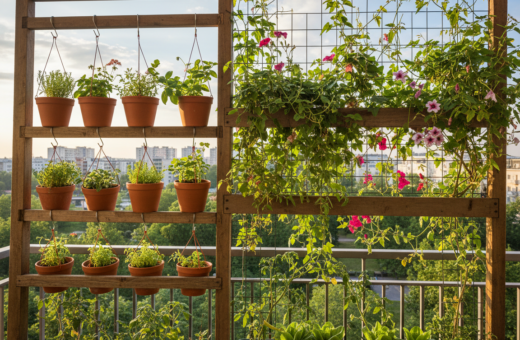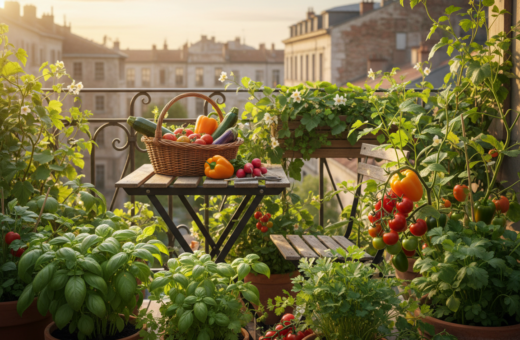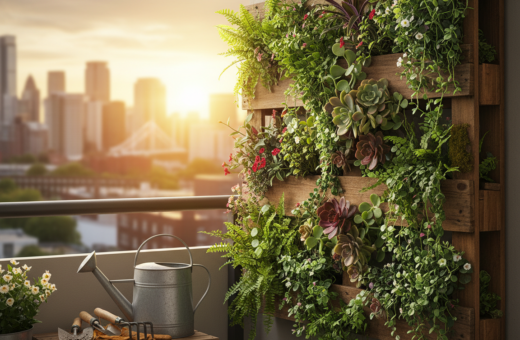
Maximizing limited space has long pushed city gardeners to adopt upward solutions that make small balconies productive and attractive.
Nicole Holland observed that vertical gardening lets growers increase yield while improving airflow and plant health. Using a 16 ft. x 50 in. cattle panel from Tractor Supply is a popular way to build arched trellises that support vining vegetables and flowering vines.
By installing a sturdy trellis or simple string supports, residents can mix herbs, vegetables, and ornamentals on a single wall. These arrangements save space and create a lush focal point on narrow balconies.
Practical tips include starting early in the season, choosing light‑adapted varieties, and using lightweight container mixes enriched with compost. For a step‑by‑step primer on small‑space setups, see this guide on how to start vertical gardening on a patio or.
Assessing Your Balcony Space for Vertical Gardening
Start with a quick audit of light, wind, and structural strength for your balcony wall. Note how many hours of direct sun reach the area. Shade patterns guide which crops or containers will thrive.
Check load capacity. Measure railing and floor strength before adding heavy soil. A well-planned vegetable garden on a balcony must account for the weight of wet soil and mature plant size.
Kristi Armes explains that systems that grow upward use stacked layers or columns to make the most of limited space.
“Vertical gardening systems utilize vertical space to grow upward, using stacked layers or columns to maximize limited space.”
Choose models with deep pockets and rich soil like the Garden Tower® 2 to encourage strong root development. Moving containers off the ground saves floor area and helps airflow.
- Confirm sunlight and wind exposure.
- Verify structure and weight limits.
- Plan for watering access and seasonal changes.
Selecting the Best Vertical Garden Plants for Small Spaces
Picking species that climb or stay compact is key to a successful balcony setup. Choose a mix that uses height and top tiers while keeping weight low on rails and floors.
Vining Vegetables
Tomatoes like Cherokee Purple, Sun Gold, and Brandywine are indeterminate varieties that can reach up to eight feet when trained on a sturdy trellis. They reward space with steady fruit over the season.
Pole beans such as Blue Lake FM-1K and Blauhilde offer high yield in a small footprint. Sugar Magnolia purple snap peas add color and fix nitrogen, improving soil for nearby herbs and greens.
Leafy Greens and Herbs
Leafy greens and herbs belong on upper tiers or shallow pockets. They need less soil depth and harvest quickly, giving continuous fresh food without heavy weight.
- Greens: lettuces, spinach, and baby kale.
- Herbs: basil and parsley for frequent clipping.
Compact Fruit Varieties
Compact fruits like strawberries and bush beans adapt well to stacked systems or hanging pots. They deliver fruit without taking ground space and keep airflow around the wall to reduce disease.
“Many types of vining crops grow best when they have a fence or support structure to climb, which improves airflow and prevents fungal disease.”
Installing Sturdy Trellises and Support Systems
A robust support system makes the difference between a neat climbing display and a tangled mess by midsummer. Proper supports protect railings and keep a balcony wall safe during storms.
Choosing durable materials matters. A trellis should stand at least six feet tall, with the base pushed a minimum of 12 inches into the soil or container to resist tipping.
Metal or iron trellises handle wind and rain best and can bear heavy fruit without bending. When weight is a concern, pick powder‑coated steel or wrought‑iron frames that resist corrosion.
Practical ways to anchor and plan
- Place the trellis deep into the soil or a weighted pot for stability.
- Match trellis height to the expected size of each plant and allow extra feet for growth.
- Use ties or soft twine to guide vines to the support without cutting stems.
“A firmly anchored trellis is one of the most effective ways to maximize limited space while keeping crops secure.”
Optimizing Sunlight and Airflow for Healthy Growth
Maximizing sunlight and fresh air makes a small balcony thrive through careful placement and rotation.
Orientation matters. Placing trellises north-to-south helps every side receive steady light during the day. The Garden Tower® 2’s 360-degree rotation offers a simple way to make sure tomatoes, cucumbers, and other vegetables get equal exposure.
Watering Strategies
Water from the top down so moisture moves through all tiers. Gravity-driven drainage helps keep soil evenly moist and prevents waterlogging in lower beds.
Consistent moisture boosts growth and reduces stress on vining crops like peas and pole beans. Check soil depth and water slowly to reach roots without runoff.
Natural Composting Methods
Use a small worm bin or layered kitchen scraps in a compact compost tumbler to feed a balcony system. Compost adds nutrients and improves soil structure without heavy bags of fertilizer.
- Tip: Top-dress beds with compost each season to replenish nutrients.
- Tip: Keep compost moist and turn weekly for faster breakdown.
For a practical setup guide, see this compact compost and rotation guide to keep your space productive all season.
Essential Watering and Feeding Techniques
Keeping moisture balanced and adding steady nutrients helps small-space growers get reliable harvests from limited beds. This short care plan focuses on simple checks and natural feeding to keep tomatoes, beans, and other varieties productive.
Watering Strategies
Check soil daily. Feel the top two to three inches each morning; elevated airflow in compact setups dries soil faster than ground beds.
Water slowly so moisture reaches the roots without runoff. During hot time periods, water more often but with smaller amounts to avoid soggy soil.
Natural Composting Methods
Use an integrated compost core like the Garden Tower® 2 offers. Kitchen scraps and red wiggler worms make castings that feed roots directly and reduce the need for added fertilizer.
Avoid meat, dairy, and oily foods in the compost to keep decomposition steady and prevent pests. Top-dress beds with finished compost each season to replenish nutrients for vegetables and fruit.
“Consistent moisture and steady organic feeding are the most reliable tips for a healthy balcony food wall.”
- Check top soil daily to adjust watering.
- Feed at the root with compost rather than frequent synthetic feeds.
- Keep compost clean of meat and dairy to avoid pests.
Managing Pests and Seasonal Plant Rotation
A focused pest plan plus smart crop rotation makes small-space growing reliable.
Companion planting helps reduce pests while improving flavor. For example, pairing basil with tomatoes often deters aphids and enhances harvest taste. Removing dead leaves and spent stems promptly also improves airflow and lowers pest risk.
Use a trellis to lift vining vegetables such as pole beans, cucumbers, and peas off the ground. Keeping vines supported cuts contact with soil and reduces soil-borne disease. It also makes inspection and harvest easier.
Seasonal rotation prevents nutrient depletion. Move heavy feeders like tomatoes and squash to fresh pockets each year. Replace them with lighter crops such as herbs or lettuce to balance the soil and break pest cycles.
- Inspect weekly: look under leaves for eggs and early damage.
- Rotate crops: shift families and varieties between pockets each season.
- Clean out: remove spent growth to limit overwintering pests.
“Rotate heavy feeders and use companion herbs to reduce pest pressure and keep soil healthy.”
For a simple, actionable rotation schedule, see this crop rotation plan to protect soil and keep fruits and vegetables productive.
Conclusion: Enjoying Your Lush Apartment Green Wall
Transforming a narrow balcony into a productive green wall brings fresh food and visual calm to city living.
They can enjoy homegrown herbs and vegetables by choosing the right plant varieties and sturdy supports. Consistent watering, regular composting, and seasonal rotation keep the setup healthy and productive.
With proper care, a small-scale vertical garden yields steady food for the kitchen and adds living beauty to the home. Simple routines make maintenance easy and reduce pests and disease.
Start small, build confidence, and expand pockets as needed. In time, the wall will become a sustainable source of fresh produce and a peaceful urban retreat to enjoy year-round.