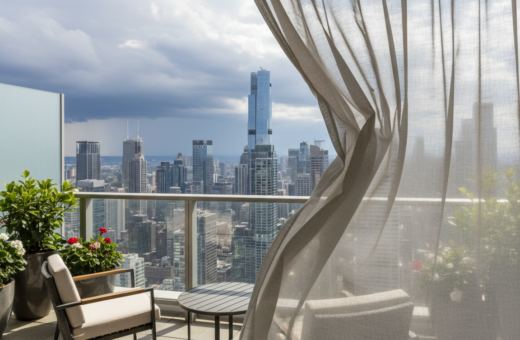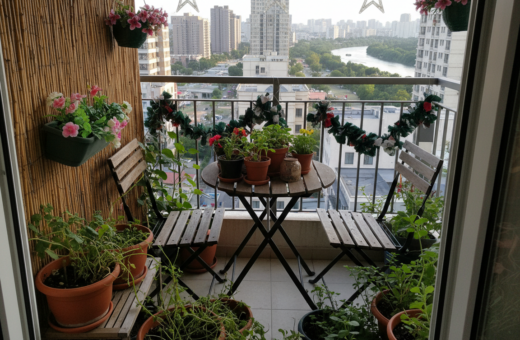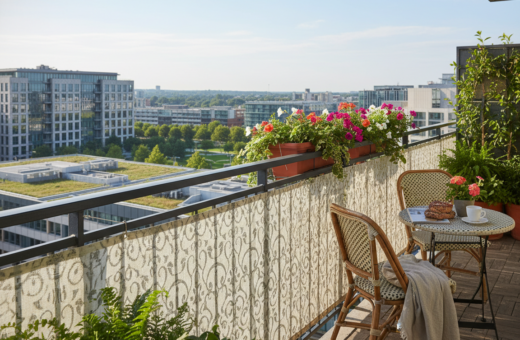
Transforming a small deck or patio into a secluded retreat is an easy way to add a calm room to a busy home. They can define the edge of an outdoor space and make it feel like part of the garden.
By placing a planter box or a set of pots along the perimeter, a homeowner can build a quick privacy screen that blocks a neighbor’s view. Adding trees or a wall of greenery creates a natural barrier that also lifts the design.
Using a trellis with climbing plant or a tall planter and regular watering keeps the screen dense and healthy through the seasons. This simple solution makes the balcony or deck feel like a private garden room without major construction.
The right mix of planters, pots and small trees gives flexibility to rearrange the layout over time. With a few good choices, anyone can enjoy a hidden corner that invites family time and quiet moments at home.
Benefits of Using Planters for Balcony Privacy
Strategically placed containers create an instant buffer that shields an outdoor area from passing eyes. This approach offers a low-cost, low-effort way to carve out a calm space on a small balcony.
A well-planned screen can transform an exposed ledge into a secluded garden nook. Using a sturdy box to hold taller plants adds height and helps block sightlines without heavy construction.
- Simple sets of pots let homeowners tailor the look and level of seclusion.
- Mixing evergreen plant and seasonal blooms keeps the screen attractive year-round.
- Defining the edge of the outdoor space makes it feel like a private extension of the home.
These ideas create a protected spot where one can relax and entertain without feeling on display. Choosing the right planter and layout ensures the privacy screen is both functional and pleasing to the eye.
Selecting the Right Containers for Your Space
Choosing the right containers sets the stage for a durable and attractive outdoor screen. The choice affects how tall plants will grow, how well roots flourish, and how the area reads as a cohesive room.
Material Considerations
Durability matters. Veradek all-weather planter boxes are rated for harsh Wisconsin winters, so they work well on a deck or patio that faces extreme cold.
Sturdy materials keep the container stable and attractive year-round. That protects soil, roots, and the planted screen through seasonal changes.
Sizing for Height
Height is the key to an effective screen. A tall planter or box lets taller plants and a trellis block sightlines on a balcony.
Proportional sizing prevents a container from overwhelming a small area while still supporting healthy root growth. Using a matching set of pots or one larger container creates a tidy garden edge that defines the outdoor room.
“Selecting the right planter and containers is the first step in building a lasting privacy solution.”
- Choose containers that match the scale of the deck or patio.
- Pick materials rated for your climate to avoid winter damage.
- Allow enough depth for roots to grow for a lush, long-lasting screen.
Choosing Plants That Thrive in Containers
Smart plant choices let homeowners build a lush, low-maintenance wall in limited outdoor space. Containers change microclimates, so pick species that match sun, wind, and pot size.
Evergreen Shrubs
Japanese holly is a top pick for urban containers. Alex Kantor of Perfect Plants Nursery praises its adaptability and neat habit.
Climbing Vines
Star jasmine is vigorous and fragrant; Jen McDonald recommends it for adding quick vertical greenery and a soft screen. Climbing plants train easily on a trellis or small wall.
Ornamental Grasses
Maya Argaman notes that needlegrass thrives in zones 7–10 and adds movement and height. Grasses pair well with herbs to add scent and texture.
- Use a matching set of pots to layer height and depth.
- Five-foot artificial trees in a planter box give instant, no-maintenance greenery.
- Select species that suit container depth to ensure healthy roots and long-term growth.
For more ideas on species that perform well in pots, see balcony garden plants.
Installation Techniques for Stability and Drainage
A secure outdoor screen depends on weight, drainage, and sound attachment to the railing or deck. Start by placing a heavy patio paver or rocks in the base of each planter box to lower the center of gravity and prevent tipping.
Leave drainage holes open so excess water can escape the container. Proper drainage kept roots healthy and stopped waterlogging that damaged plants.
- Secure the box to the railing or deck with brackets to stop shifting in high winds.
- Use a matched set of heavy pots or add gravel to give needed weight and stability.
- Position boxes to form a continuous green wall that blocks sightlines while allowing airflow.
Regular watering is easier when each planter sits level and drains well. That made maintenance predictable and helped trees and smaller plant thrive.
“A stable installation created a safe, relaxing environment that lasted season after season.”
For step-by-step fastening tips, consult a short guide on a secure outdoor planter setup.
Creative Layouts to Define Your Outdoor Room
A thoughtful layout turns a small deck into an intimate outdoor room that invites lingering conversation. Small changes in placement create distinct zones without major work.
Creating Cozy Nooks
Arrange containers in an L-shape or U-shape around a bistro set to make a snug seating area. Grouping a set close together gives a natural sense of enclosure that feels private and tidy.
Use a trellis behind a planter box so climbing plants form a living wall. Lining pots along the railing or creating a staggered height of pots turns open decking into a defined part of the garden.
- Place a heavy box at corners to anchor the screen and prevent tipping.
- Group taller pots at the rear and smaller pots near seating to add depth.
- Combine a few evergreen and seasonal plants to keep the room lush year-round.
These ideas help transform an exposed patio into a structured room. A clear layout makes the space more useful and boosts overall appeal.
Incorporating Vertical Elements and Trellises
Vertical elements let greenery climb, giving an instant living wall without using floor space. Adding a trellis to a planter box gives the height climbing plants need to form a dense screen. This creates a quick, attractive privacy layer that feels natural in a small garden.
Evergreen trees and shrubs in tall containers keep the wall lush through winter. A sturdy planter plus a well-anchored trellis stands up to wind and rain while supporting seasonal growth.
Mounting a set of pots on a vertical frame is another way to display herbs and compact plants. This tactic maximizes usable area and brings scent and texture closer to seating zones.
- Attach a trellis to a box to train vines into a living wall.
- Mix evergreen trees with climbing species for year-round coverage.
- Use a vertical set of pots to grow herbs and small plants without losing floor space.
- Place taller elements at the back and lower pots near seating to add depth and height.
These vertical choices draw the eye up, make the area feel larger, and form a durable privacy screen that fits a modern outdoor room.
Maintenance Tips for Long-Lasting Greenery
Consistent attention to soil, water, and sun protection ensures the living wall stays healthy year after year. Small, regular tasks prevent slow decline and keep the outdoor room inviting.
Watering Strategies
Set a simple schedule. Check soil moisture in each planter box at least twice a week during warm months. This prevents drying and helps plants establish steady roots.
Use a drip line or a watering can with a slow pour to give water time to soak in. That keeps roots healthy and reduces surface runoff on a deck.
UV Protection
Apply a UV sealer to artificial trees and plants to guard against sun damage. That step helps synthetic greenery look natural for longer.
Protect containers and live shrubs too. Choose durable materials or add breathable covers during extreme weather. For evergreen shrubs and herbs, pruning and mulch conserve moisture and maintain a dense screen.
- Check soil moisture regularly to keep the privacy screen vibrant.
- Use consistent watering during heat spells to protect container plants.
- Apply UV sealer on artificial pieces and weatherproof containers to extend time between replacements.
“A well-maintained screen not only looks better but also functions more effectively as a barrier.”
Conclusion
Simple structural choices—a deep planter, a trellis, and evergreen selections—create an outdoor room that feels private and calm.
These ideas help a homeowner turn an exposed ledge into a green screen that shields views and soothes the senses. Good placement and a matching set of planters make the effect immediate.
Whether one selects a single large planter or a layered wall of pots and climbers, the garden result enhances both comfort and curb appeal.
Consistent watering, smart plant selection, and occasional pruning are the best way to keep the screen lush. This low-cost solution rewards attention with a lasting, welcoming space to relax.