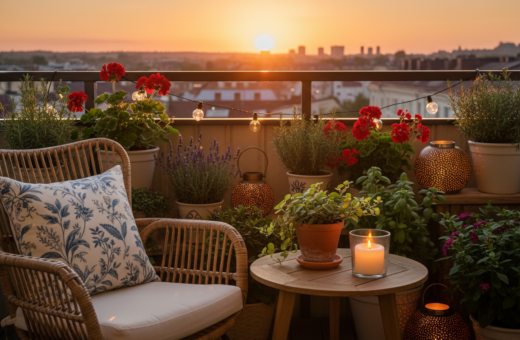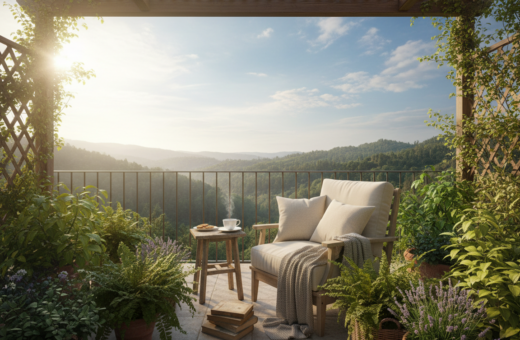
Practical planning keeps indoor and outdoor living connected. Today, strategic placement of items is the best way to maximize small space and keep doors clear.
They begin by measuring the full area from wall to wall. That simple step prevents clutter and poor layout choices.
Careful choices for furniture and patio elements create a seamless flow between the living room and the exterior deck. This saves time and money and avoids blocked access.
Experts recommend layouts that match both the physical dimensions and daily use of the space. With a few smart ideas, a plain patio becomes a welcoming, efficient extension of the home.
Key benefits:
Better traffic flow, easier access to doors, and a professional look that uses every square inch well.
Assessing Your Space Before You Begin
Proper planning starts with a clear picture of the site. Measuring the deck and noting fixed elements prevents wasted time and awkward moves later. This step helps the homeowner match the best pieces to the available area.
Measuring Your Perimeter
Start by mapping the exact perimeter of a standard 12×16 deck. That rectangular footprint is ideal for efficient use and helps define dining and lounging zones.
Measure wall-to-wall and record pathways for the sliding glass entrance. Leave clearance for door swings and traffic so the layout supports movement and social use.
Identifying Fixed Obstacles
Make a list of support posts, railings, and exterior lights. Those fixtures shape which outdoor furniture can sit where.
- Note beams and lights that limit placement.
- Sketch how each piece will fit and move in the space.
- Plan dining versus relaxation zones around permanent features.
Result: a grounded design plan that guides selection and keeps door access clear while making the patio feel intentional and usable.
Strategic Balcony Furniture Arrangement for Sliding Doors
Begin by choosing a clear focal point that anchors seating and keeps paths to the sliding doors open. A 5-piece Urbana Sofa Set can act as that anchor, creating a central lounge that invites conversation and defines the main area.
Simple placement rules make the most of limited space. Place the sofa along the longest end to open the way to the doors. Put a coffee table at the center of the set so drinks and small plates stay handy without cluttering walkways.
- Establish a focal point like a conversation set or fire feature.
- Orient dining table and chairs toward the best view for comfort.
- Use symmetry for a formal look, or an offset layout for a relaxed vibe.
- Keep the clear way to the sliding doors free of large pieces.
These choices improve flow for guests and boost evening comfort. A thoughtful layout ties the patio together while keeping access safe and seamless.
Defining Traffic Flow and Walkways
Plan clear walkways that guide people past seating without forcing them through the middle of a set. Thoughtful paths protect the main lounge and make daily movement effortless.
Clearance counts. The ADA recommends at least 36 inches for pathways and a 60×60 inch turning radius for mobility aids. Landscapers often suggest 30–48 inches for high-traffic walkways on a deck.
Calculating Clearance Requirements
Keep main walkways at a minimum of 36 inches so all guests can pass comfortably. Allow a 60×60 inch area near the dining table and chairs for turning and serving.
Direct traffic around the seating area instead of through it. This reduces collisions and keeps a sofa and coffee table from blocking the way.
- Use side tables or planters as subtle guides to channel flow.
- Keep at least 30 inches in smaller passways to maintain a sense of space.
- Leave clearance around any fire feature so people can walk past safely.
“Proper traffic management is the secret to a successful outdoor design.”
Selecting Furniture Pieces for Seamless Access
Pick compact, purposeful pieces so the door stays usable and the patio still looks pulled together. This section shows how the right choices free up traffic and keep the dining area both stylish and functional.
Choosing Slim Profiles
Choose slim-profile chairs and a narrow sofa to maximize walkable space. Lightweight designs like the Malaga Grey Outdoor Wood C-Table pair well with compact seating.
Benefit: slimmer silhouettes open sightlines and reduce blocked traffic near the door.
Opting for Modular Designs
Modular sets let them reconfigure the layout for different numbers of guests. A sectional that breaks into separate seats makes hosting easy.
- Move a seat to create a wider path.
- Swap modules between dining and lounge zones.
- Use the Madrid Outdoor Grey Concrete Round Coffee Table as a central anchor when needed.
Multi-functional Seating
Choose benches with storage or seats that double as side tables. These pieces reduce clutter and keep the patio floor clear.
Tip: add outdoor rugs to define the seating area and tie style to function without blocking passage.
“Select pieces that offer both form and function to keep every pathway open.”
Creating Functional Zones on Your Balcony
Treat the deck like a small open-plan room by zoning dining and lounge areas. Defining distinct areas makes the space feel intentional and helps traffic flow between the house and the patio.
Place a 72-inch dining table (72″ x 37″) in a dedicated dining zone on a 12×16 deck. That table size gives guests room to sit and pass without blocking the sliding door. Pair it with the Jayden Brown Acacia Wood 60″ Dining Bench to maximize seating in a compact area.
Use rugs to visually separate the dining table from the lounge set. Lighting and planters can act as soft barriers to mark cooking and serving zones while keeping floors clear for movement.
- Create a conversation cluster by grouping a sofa and chairs into a cozy seat area.
- Opt for benches instead of individual chairs to save space and add flexibility.
- Define primary purpose for each zone so the layout supports the activities most used by guests.
“When zones are clear, traffic moves naturally and each area performs better.”
For more small-space layout options, see this guide on small-space outdoor layout planning.
Utilizing Vertical Space to Keep Floors Clear
Raising decor and storage off the floor instantly frees paths and opens sightlines. Wall-mounted planters and hanging lanterns add interest without stealing valuable floor area. This keeps the sliding door fully accessible and the main traffic path clear.
A chaise lounge tucked into a corner provides a comfortable focal point without disrupting flow. A small side table or compact coffee table anchors the seating set while leaving the rest of the deck open.
Outdoor rugs define dining and lounge zones so guests know where to sit and pass. Storing cushions in a vertical cabinet or a bench with built-in storage protects textiles and removes clutter from the floor.
“Use your walls and overhead space to make a small patio feel larger and more functional.”
- Install vertical gardens to add greenery and free floor space.
- Hang lanterns to lift lighting up and widen sightlines.
- Choose a corner chaise lounge as a compact focal point.
Incorporating Lighting for Nighttime Navigation
Thoughtful light placement prevents trips and keeps traffic flowing after dark. Proper illumination is a simple way to protect doorways and keep a clear way between the house and the patio.
Practical options include solar-powered post caps on railings and LED strips that outline stairs. These low-maintenance solutions make edges and steps visible without glare.
Safety Considerations Near Doorways
- Use motion-sensor lights or slim LED strips at the threshold to highlight any change in elevation.
- Place lanterns or string lights along the seating area to guide guests past the sofa, coffee table, and chairs.
- Light the perimeter to define the dining zone and rugs so guests can spot obstacles and move with ease.
- Match light type and size to the purpose—soft warm bulbs for a quiet dining set, brighter accents for busy traffic paths.
“Focus lighting on main paths to keep the deck safe and the space inviting.”
Choosing Materials That Withstand the Elements
Pick materials that resist sun, salt, and moisture to keep the outdoor area usable year-round. Metal frames like aluminum or wrought iron deliver long-term strength for a deck while keeping profiles slim and practical.
Synthetic resin wicker offers a lightweight, weather-ready look that holds up to rain and UV. Treated hardwoods provide a natural finish and age well when sealed regularly.
They should choose options that reduce maintenance and preserve the usable space. Protective covers and periodic care extend lifespan and keep cushions fresh.
- Select high-quality outdoor furniture materials to protect the investment.
- Aluminum frames resist rust and are easy to move when clearing the way.
- Consider weight: heavier items look solid but are harder to reposition.
- Choose weather-resistant fabrics to keep seating comfortable and bright over seasons.
“Match material choices to the climate to create a resilient and stylish outdoor space.”
Balancing Comfort and Practicality
A thoughtful mix of supportive seating and unobstructed walkways keeps the space both inviting and safe. Choose outdoor furniture that offers firm support and higher weight capacity so full-figured individuals can relax without worry.
Prioritize pieces that provide comfort while leaving a clear way to the sliding door. A wide sofa and well-built chairs can sit back-to-back with a low coffee table so traffic flows around the set, not through it.
Keep reachability in mind. Place a side table or side table near the end of a sofa so drinks are easy to grab, but avoid blocking the main path.
- Choose extra-wide seats and sturdy frames for comfort and safety.
- Use a compact coffee table and a narrow table by the chair to keep the seating area tidy.
- Add a chaise lounge or a small fire pit as a focal point while preserving clear traffic routes.
Finally, select durable cushions and an outdoor rug that match interior style. This creates a cohesive look and makes the deck feel as comfortable as the living room.
Adapting Layouts for Seasonal Changes
Adjusting the layout with the seasons keeps outdoor spaces useful and inviting year-round. They can shift zones to match weather and activity so the deck performs for more uses.
Spring calls for lighter seating and more open areas. Moving furniture pieces to the edges makes room for early blooms and breezy circulation. This creates space for quick tasks and relaxed mornings.
Summer favors a breezy dining zone. Position a dining set where cross-breezes cool guests. Keep paths to the sliding door clear so meals and service run smoothly.
Fall encourages closer grouping. Pull the sofa and chairs together to form an intimate conversation area. Add warm throws and LED candles to create a cozy evening mood.
Winter needs protection and storage. Store cushions and smaller furniture pieces indoors, and add faux fur throws to the remaining seats. These simple swaps let the space transform into a comfortable retreat with minimal work.
Enhancing Your Outdoor Aesthetic
Strategic decorative touches can turn a simple deck into a curated retreat. Small accents add personality while keeping the main pathways clear.
They can add weather-resistant artwork or a stone sculpture to enhance ambiance without crowding the floor. A single sculptural piece draws the eye and creates a focal point that complements the home’s architecture.
Simple ideas to lift the look:
- Use outdoor rugs to add color and texture and tie cushions to a consistent color palette.
- Hang lanterns or string lights to create a warm glow for evening use.
- Install vertical gardens or wall art to personalize the space without using floor area.
- Choose weather-resistant art and stone accents that withstand sun and rain.
By focusing on coordinated colors and layered textures, they create a cohesive style that feels intentional. Thoughtful details transform the outdoor space into a welcoming retreat that guests will notice and enjoy.
“Small, durable accents make the deck feel like an extension of the home.”
Conclusion
Smart layout decisions make a small patio feel larger and more welcoming.
By following these expert tips, they can balance comfort with clear access. Measuring the space and defining traffic paths remains the most important step for any functional deck.
Applying the practical ideas in this guide helps create a neat, seasonal-ready outdoor zone. Keep flow first so sliding doors stay easy to use for everyone.
With modest planning and the right choices, they can turn an outdoor area into a true extension of the home that invites use year-round.