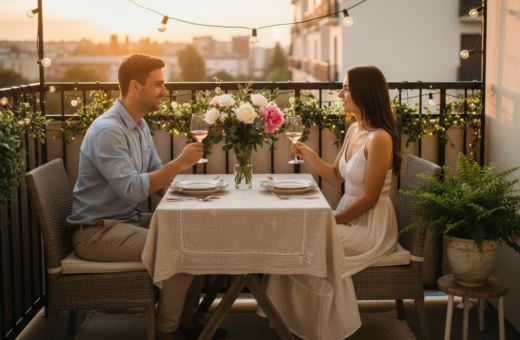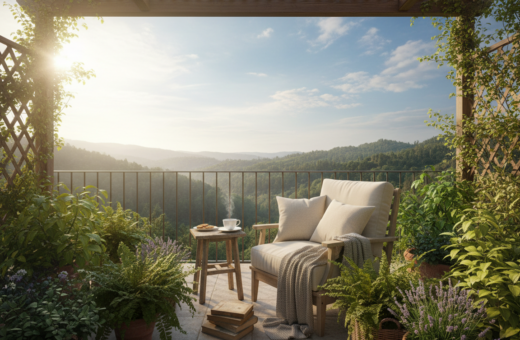
The Chelsea Flower Show 2023 showed how a small space of 330cm x 250cm can become a welcoming outdoor retreat. Designers proved that even tiny areas can feel like a true extension of the home when they treat the area as a room rather than an afterthought.
Choosing the right furniture and a few soft cushions helps a limited spot feel cozy and useful. Thoughtful seating and multipurpose pieces make the most of a small space and encourage frequent use.
Many homeowners ignore their balconies, but a few smart ideas turn these spaces into living assets. With planning that places each piece for a purpose, balconies become favorite spots for morning coffee or quiet reading.
Assessing Your Outdoor Space
An accurate tape-measure and a simple sketch are the best first steps. Start by measuring the outdoor space so every choice fits. Leave at least 2 feet for walking paths to keep flow clear.
Know the thresholds: tiny areas under 30 square feet need a minimal plan, while larger spots over 60 square feet can handle sectionals or full dining sets. Measuring the footprint helps decide what works.
- Treat the area like a mini-yard: plan zones for lounging or dining.
- Factor in door swing and circulation to avoid blocked entry points.
- Map where plants will sit so you see how much floor remains for furniture.
Many balconies and terraces are underused. A careful assessment prevents overcrowding with pieces that block movement. By matching scale to size, the space will feel balanced and inviting.
Planning a Comfortable Balcony Setup
Start by picturing how people will move through the outdoor area before choosing any pieces. Visualizing flow makes it easier to fit a small balcony into daily life and turns it into a true extension of the home.
Measuring for Flow
Measure the floor and note clear walking paths. Allow space for chairs to pull out and for a small table without blocking traffic.
Design tip: modular furniture, as seen at the Chelsea Flower Show with an 8.25 m² plan, adapts to different uses and keeps seating flexible.
Considering Door Swing
Account for the door swing and keep the side near the door unobstructed. Place items onto balcony areas so the exit stays free and safe.
“A clear threshold keeps an outdoor room usable and inviting.”
With careful planning, an apartment balcony will feel like another room rather than a crowded afterthought. Good measurement and smart choices let people use the space for morning coffee or evening rest without oversized pieces getting in the way.
Selecting Space-Saving Furniture
When every inch counts, folding bistro sets make a small balcony feel larger and more useful. They let residents change the function of the area in seconds, moving from open floor to dining spot without lifting heavy pieces.
Folding furniture is a top choice for tiny outdoor spaces. The IKEA Sunsdö folding chair is a good example: portable, easy to store, and built to tuck away when not in use. Choosing collapsible items helps preserve walking paths and keeps a compact balcony versatile.
Benefits of Folding Bistro Sets
- They save floor space by folding flat when not in use.
- Folding chairs and tables are simple to move for cleaning or winter storage.
- Many designs double as storage or extra seating, adding function without bulk.
- They let balconies switch between dining, lounging, and open space quickly.
Tip: Look for lightweight metals or treated wood in quality outdoor furniture to balance durability and portability. Small, multiuse pieces are one of the best ideas for making limited spaces feel open and functional.
Incorporating Versatile Seating Options
Lightweight seating brings mobility, so each hour can offer a new view. Armadillo Sun bean bag chairs weigh just 4 kg, making them simple to move around a small outdoor space.
Flexible furniture makes a balcony feel like an extension of the home. A bean bag chair creates a cozy spot for reading while remaining easy to shift for guests.
Designers often recommend a settee or bean bag lounger as primary seating for narrow rooms. By placing a chair to the side, a compact nook forms without blocking traffic.
- Versatile seating lets the area change from a private reading room to a social spot.
- Lightweight chairs follow the sun, so users can chase warmth during the day.
- Multiuse pieces keep balconies functional and ready for hosting or quiet time.
Choosing the right seating is the key step in turning underused balconies into places people want to use every day.
Choosing Durable Materials for All Seasons
Durable choices keep an outdoor corner looking fresh despite sun, wind, and rain. Selecting the right materials reduces maintenance and protects the investment in outdoor furniture.
Weather-Resistant Metals
Powder-coated steel and aluminum resist rust and require little upkeep. Wrought iron is classic and strong when sealed, while modern metals are often lightweight enough to move yet tough against storms.
- Choose powder-coated finishes to prevent chipping and corrosion.
- Look for UV-stable paints to limit fading over time.
- Metal frames often balance durability with portability for small spaces.
Treated Wood Benefits
Teak and acacia bring natural warmth and years of service when properly treated. These woods resist rot and handle sun exposure better than many untreated timbers.
When choosing furniture pieces, confirm they are rated for outdoor use and pair natural wood with metal or wicker for balanced style and longevity.
For a deeper guide to material choices, see this overview of durable outdoor furniture materials.
Adding Comfort with Soft Textiles
A few well-chosen cushions and a durable rug change how people use the space.
Outdoor cushions and pillows instantly soften hard furniture and improve seating support. Choose performance fabric such as Sunbrella to resist fading and mildew.
Look for quick-dry filling so a light shower won’t leave the chair unusable. That keeps the area ready for use without heavy maintenance.
- Add outdoor cushions to turn benches or stools into lounge spots.
- Use a durable rug to define the seating area and add texture.
- Layer pillows for back support and easy seasonal refreshes.
- Pick performance fabric to protect color and resist stains.
Tip: By mixing patterns and solids, the small balcony feels like a curated room without replacing the main furniture. A quality rug anchors the design and makes the area appear intentional and cohesive.
Maximizing Vertical Storage Solutions
Raising storage off the floor frees valuable square footage and keeps the view open.
Wall-Mounted Organizers
Wall-mounted organizers are one of the smartest ideas for an apartment space where floor room is tight. They hold gardening tools, extra cushions, and small pots so the seating area stays clear.
- Shelves: Install narrow shelves to display plants or keep essentials off the floor.
- Tables with shelves: Use a small table that adds shelving for books or planters beneath the top.
- Storage benches: Choose a bench that doubles as a seat and a hidden bin for tools and textiles.
- Secure fittings: Always fasten organizers to studs or use approved anchors so wind won’t dislodge them.
Thinking vertically lets people add more furniture and accessories without crowding the floor. For many apartment dwellers, these ideas keep balconies tidy and ready to use every day.
Enhancing Privacy with Greenery
Green walls and tall planters turn an exposed space into a private, leafy shelter. Using perennials such as milkweed, mountain laurel, rhododendron, and windflowers builds a hardy, low-maintenance garden that thrives year to year.
Surrounding the seating area with pots creates a natural privacy screen. Hanging planters on the railing add color without eating floor room.
Tall plants or climbing vines block unwanted views and make the area feel like a secluded retreat. A well-planned balcony garden becomes a small biophilic bubble where people can relax and restore.
- Choose drought-tolerant species to cut down on daily watering.
- Place pots to form a visual barrier and separate the space from city noise.
- Always confirm building rules before fastening heavy planters to a railing for safety and compliance.
“A compact green screen can make a simple terrace feel like a private garden escape.”
Creating Ambiance with Strategic Lighting
A deliberate lighting plan makes the most of limited outdoor real estate and extends its hours of use.
Floor-level lanterns and low lamps create cozy pools of light. They let the balcony feel intimate while keeping sightlines clear. This low-level glow also preserves privacy and reduces glare.
String lights define the space and give a warm wash that flatters furniture and plants. A strand around the railing or overhead defines zones without adding bulk.
Place a lamp on a side table to read after dark. Many tables now include built-in lamps or LED edges. These options save room and combine task lighting with a surface for drinks.
- Choose weather-rated fixtures for safety and durability.
- Use dimmable bulbs or warm LEDs to set the mood.
- Mix floor lanterns, string lights, and a table lamp for layered effect.
“Lighting is as crucial as furniture when you want an outdoor area to feel like a true room.”
Pro tip: test positions by night before fixing mounts. Small changes in angle or height can turn a basic outdoor area into a magical evening retreat.
Defining the Area with Outdoor Rugs
An outdoor rug instantly frames a seating zone and signals purpose in a small space. It helps the eye read the area as a room and gives the floor a clear role.
When shopping, choose polypropylene or polyester rugs. These fibers resist UV fading and mold, so the color lasts through sun and rain.
A rug adds texture and pattern that ties furniture, plants, and accessories into one unified look. It softens hard concrete and provides a pleasant surface underfoot.
- Measure the floor before buying to avoid tripping hazards.
- Pick a UV-friendly rug to keep colors vibrant in direct sun.
- Hose-down cleaning makes most outdoor rugs low maintenance.
- Use a rug to separate the lounging zone from the rest of the outdoor space.
“A well-chosen rug turns a tight terrace into an intentional living area.”
With the right size and material, a rug makes the balcony feel like an extension of the home and completes the seating arrangement with minimal fuss.
Styling for Different Design Aesthetics
A clear aesthetic helps small outdoor areas read like a true room rather than a random collection of items. Picking one direction streamlines choices for furniture, textiles, and plants.
Bohemian Vibes
Bohemian styling layers pattern and texture. Mix colorful pillows, woven rugs, and mismatched chairs to create an eclectic home retreat.
Tip: Use vibrant outdoor fabric for cushions to add color without heavy investment.
Modern Minimalism
Minimalism relies on clean lines and neutral tones. Choose simple tables and slim furniture so the space feels open and calm.
Low-profile seating and a single rug can make the area read like an extension of the living room.
Garden Oasis
A garden aesthetic leans on natural wood, planters, and layered foliage. Let greenery define zones and pair it with durable wood furniture.
- Keep plant shapes varied to create depth.
- Use a small rug to anchor seating.
- Select foldable tables and chairs for flexibility.
Implementing Safety Measures for High Winds
Strong gusts can turn lightweight outdoor items into projectiles; take proactive measures. Secure loose pieces early to protect people and property.
On an apartment terrace, anchor chairs and tables to rails or use heavy, wind-rated ties. Lightweight furniture should never be left loose on high floors.
Always check the structural weight limits before adding planters or dense furniture. Overloading a small space risks damage to the deck and to neighbors below.
- Keep exits and doorways clear to meet fire and building codes.
- If anchoring is impossible, store pieces indoors when storms approach.
- Verify building rules for permanent fixtures before installing heavy items.
- Avoid delicate or fussy items on high-rise areas; they break or blow away first.
“Securing outdoor pieces keeps the area safe for everyone.”
Practical tip: review wind advisories and make securing furniture a routine part of seasonal care for balconies and shared building safety.
Utilizing Multipurpose Furniture Pieces
A single piece of furniture can serve as seating, storage, and a table to stretch limited square footage.
Benches with hidden storage are a top option for small outdoor areas. A storage bench keeps cushions dry and stashed while doubling as extra seating for guests.
An adjustable height table moves from cocktail to dining level, so one table meets multiple needs. Ottomans and pouffes work the same way—extra chairs or a side table without bulk.
Convertible furniture brings real flexibility. Fold-away chairs, rise-and-fall tables, and stackable stools make the most of tiny spaces and let the area act as an extension of the home.
- Built-in storage protects cushions and tools.
- Choose pieces that are easy to rearrange for different uses.
- Pick lightweight tables and stackable chairs for rapid changeover.
“Multipurpose furniture is an extension of smart design, allowing residents to get the most out of limited square footage.”
Refreshing the Floor Surface
Updating what you stand on is one of the fastest ways to change how a small outdoor area reads.
A quick floor update can turn plain concrete into a polished foundation for the rest of the design. Elizabeth Drake recommends black-and-white adhesive tiles as a renter-friendly, removable option.
Faux turf is another simple choice. It cuts to fit around railings and creates a soft green layer under your furniture.
Removable floor tiles hide unattractive concrete and make the area feel finished without renovations. Many apartment dwellers choose these tiles for easy installation and removal.
- Pick weather-resistant materials that allow drainage to avoid water buildup.
- Measure and cut pieces to fit edges and door thresholds precisely.
- Use tiles or turf that fasten safely but can be lifted for cleaning or winter storage.
“A fresh floor surface is one of the most impactful changes for an outdoor room.”
This DIY change is low cost and high impact. It makes the space inviting and encourages more time outdoors.
Adding Personal Touches and Decor
Personal accents — framed prints, a small sculpture, or a vintage lantern — can instantly give an outdoor nook a signature look.
They should pick pieces that reflect their life and tastes so the area feels like a true extension of the home. Small nautical wall hangings or weatherproof art add personality without crowding floor space.
Vibrant outdoor cushions and pillows provide an easy way to add color. Choosing fabrics that echo indoor throws and rugs creates a cohesive flow between rooms.
Combine plants with a couple of small tables to make a cozy nook on an apartment terrace. Multiuse storage benches hide extra cushions and serve as seating or a side table.
- Choose weather-rated decor to withstand sun and rain.
- Keep furniture scale small so circulation stays open.
- Place cherished items onto balcony surfaces to make the space inviting.
“A few personal pieces make a generic area feel like a welcoming place.”
Decorating this way is cost-effective. By adding things they love, people create a spot they actually use and enjoy.
Conclusion
A small outdoor space can become a year-round retreat with a few clear choices. Start by defining the function and planning flow so the area feels intentional.
Select durable furniture and pair it with weather-ready textiles, plants, and a couple of handy tables. Add pillows and layered lighting to make the space feel like a true extension of the home.
Keep scale in mind: pick pieces that fit the footprint and offer dual uses for storage or seating. With careful selection, even a tight balcony turns into a favorite place to rest.
Make changes one step at a time and enjoy the process. A thoughtful outdoor area improves daily life and adds lasting value to the home.