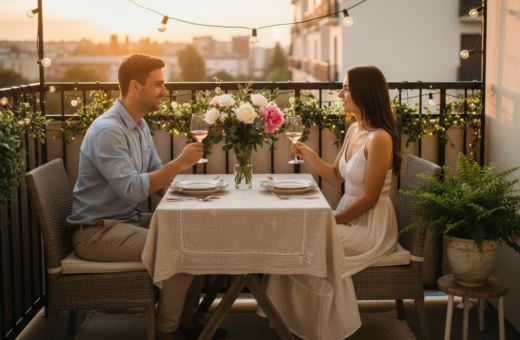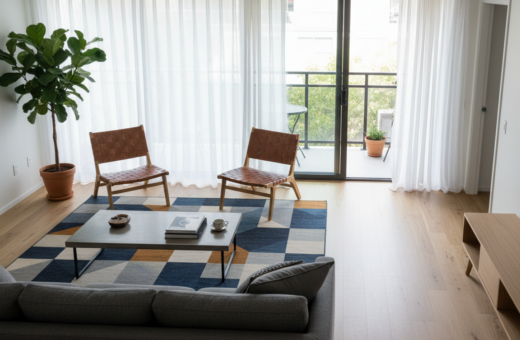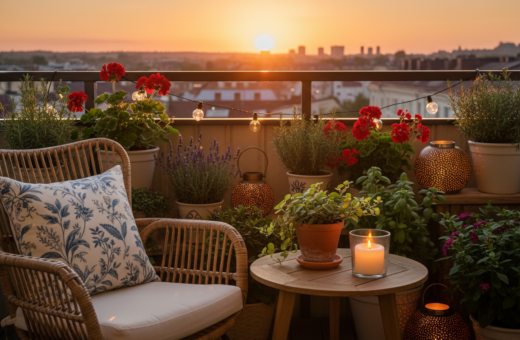
Many apartment residents view a small outdoor area as a prized retreat.
The right balcony ideas help them enjoy fresh air and sunlight without turning a 50 or 60 square foot spot into a cluttered afterthought. Planners should focus on clear priorities: comfort, function, and flow.
Designers advise simple, purposeful choices so balconies feel welcoming rather than cramped. She or he can select compact furniture and slim storage that support reading and relaxation. Proper light and shade planning keeps the corner useful across the day.
Taking the time to plan layout and materials prevents the space from becoming a catchall. With modest effort, apartment dwellers transform small spaces into serene spots for daily rest and quiet focus.
Assessing Your Balcony Potential
Measure floor space and eye-level sightlines first so furniture and plants work together, not against each other. A clear map of width, depth, and railing height guides choices for a small balcony.
Sabra Ballon of BallonSTUDIO recommends layering container heights: tall potted plants at the back, mid-level planters at seat height, and low bowls on the ground. This creates depth and makes the area feel intentional.
They should pick a compact table and slim chairs that match the scale. Choosing complementary finishes for containers adds visual richness without extra clutter.
“Varying the scale of greenery and seating prevents a cramped look and keeps sight lines open,” — Sabra Ballon.
- Place tall pieces behind seating to maintain views.
- Keep low planters near the floor for layered greenery.
- Balance a small table with narrow-profile chairs to preserve flow.
Treating the Balcony as an Interior Extension
Think of the outdoor nook as another room in the home. Using similar tones and silhouettes creates a clear visual link between inside and out.
Cohesive Color Palettes
A consistent color story is the easiest way to make a small space read larger. Ashi Waliany of Cusp Interiors recommends echoing interior hues on cushions, planters, and rugs.
Muted neutrals or one accent color keep the look calm and let natural light do the rest.
Matching Textures
Paulina Hospod of Aha!nteriors suggests repeating materials such as teak, wicker, or stone to connect zones. Mixing scales and weathered finishes adds charm without crowding the design.
- Treat the area as an extension: mirror interior tones and silhouettes.
- Repeat materials: use teak, stone, or wicker to unite living zones.
- Layer patterns and textures: keep elements balanced for an intentional feel.
“Use tones, textures, and silhouettes that complement the interior to create a cohesive space.”
Selecting Cozy Balcony Seating
Smartly selected furniture can make a compact outdoor spot feel like an extra room. Cynthia Masters of Panageries advises merging beauty and purpose so the area invites relaxed conversation and easy movement.
The most important step is picking pieces that fit the floor plan. For very tight footprints a bistro set keeps the space functional without crowding. For more comfort, a small loveseat or slim bench creates a true lounge feel.
Place a small table between chairs to hold books, coffee, or a lamp. That simple addition makes the space feel like an extension of the home.
“Furniture should allow for fluid movement and invite relaxed, comfortable conversation.”
- Prioritize scale: measure depth and width before you buy.
- Choose narrow-profile chairs or collapsible pieces to preserve flow.
- Arrange pieces so people can move freely and the area reads as a usable room.
Maximizing Space with Vertical Gardening
A vertical garden draws the eye upward and gives a compact outdoor spot depth without consuming precious floor space. This approach makes it easier to fit both furniture and lush greenery into a small balcony while keeping circulation clear.
Hanging Planter Techniques
Hanging planters save the floor and can turn a plain wall into a living screen. Install sturdy hooks or a rail system to support multiple pots and stagger heights for visual interest.
- Use lightweight pots for upper rows and deeper planters lower down to balance weight and root space.
- Mount a modular grid to create a privacy screen filled with trailing and upright plants.
- Pair a narrow bench or foldable seating with the green wall so furniture does not block the view.
- Choose drought-tolerant varieties and a drip system to reduce maintenance in tight spaces.
“A vertical greenery wall draws the eye up and offers privacy without closing in the space.”
Tip: Prioritize vertical planting before adding big pieces. The right garden can make the area feel larger and more private while leaving room for essential furniture.
Incorporating Soft Textiles for Comfort
Textiles offer a simple path to soften hard surfaces and make an outdoor corner feel more like the living room.
Use rugs to define the area. An outdoor rug anchors the small space and creates a clear floor plane for furniture and plants. Caroline Kopp notes that a well-chosen rug adds personality to a compact area without crowding it.
Layer throws and sheepskins to add warmth as the sun drops. Lisa Staton recommends lightweight blankets or a sheepskin for cool evenings. These elements bring the same ease and comfort found in the living room.
Choose weather-resistant fabrics. Pick materials that stand up to sun and rain while still feeling soft underfoot. A durable rug plus washable throws keeps maintenance simple.
“Layering soft elements creates a welcoming atmosphere that encourages time spent outside.”
- Define the floor with a rug to make the area feel finished.
- Add sheepskins or blankets for warmth on cool nights.
- Select fabrics that resist the elements and are easy to clean.
Choosing Low Profile Furniture
Low-profile pieces keep a small balcony open and visually linked to the view. They help the area feel lighter while still offering purpose and comfort.
Maintain clear sight lines by selecting furniture with short legs and slim frames. Clean lines on your chairs and tables cut visual clutter and let an accent color or a plant stand out. A single low-height piece near the railing preserves the light and the outlook.
Maintaining Sight Lines
Andrea Lackie of Andrea Lackie Design favors low-profile options to keep sight lines open. Nestling items into the architecture creates a built-in, seamless vibe.
Built In Feel
Achieve an integrated look by choosing graceful, light designs that match the structure. A compact bench or narrow table can feel like part of the building rather than an added object.
“Low, simple pieces make the space read as an extension of the home and keep the view uninterrupted.”
- Pick short, narrow forms to avoid overpowering a small space.
- Match materials to interior finishes for a cohesive look.
- Prioritize pieces that balance comfort and openness.
Creating Privacy with Natural Screens
Using natural screens helps make an outdoor area feel like an intentional room rather than an exposed ledge. This approach boosts privacy and supports relaxed outdoor living.
Michelle Vassallo of MV Architects recommends wood-clad ceilings and floors to add warmth and a built-in sense of enclosure. A wood finish bridges interior and exterior materials while softening sight lines.
Tall plants form an effective, low-tech screen that blocks views from neighbors and the street. Mix upright planters with trailing species to maintain light and airflow while shielding the space.
Position seating slightly inward from the railing so users feel tucked into the nook. Pair inward placement with vertical greenery and a wood-clad overhead to create a sheltered, usable spot.
- Combine natural elements with smart placement to protect sight lines.
- Use wood finishes to connect inside and out and add visual warmth.
- Arrange furniture a step back from the edge to enhance the feeling of retreat.
“Wood-clad surfaces and layered planting make a screened space feel intentional and private.”
Layering Lighting for Evening Ambiance
Layered lighting transforms an outdoor nook into a warm, usable retreat once daylight fades. A mix of fixtures defines zones, highlights texture, and keeps the area safe and inviting after dark.
String Light Patterns
String lights create structure without bulk. Varying the direction and density of strings makes different patterns that can define a reading corner, a small table, or the edge of the rug.
Allison Garrison of Allito Spaces pairs oversized pendants with string lights to add both form and softness. Simple zigzag or parallel runs offer distinct moods while using minimal hardware.
Solar Powered Options
Solar-powered fixtures remove the need for an outlet and lower operating cost. Choose warm-toned LEDs to match other sources and place panels where they get sun.
Solar path lights work along the floor and planters, while stake lights lift the glow into plant foliage. These options make the space functional and low maintenance.
Lantern Placement
Lanterns add a flickering accent that reads well from indoors as a framed view. Set a couple on a small table or cluster them on the floor near plants to create depth.
Mix metal and glass for weather resistance and consider battery-operated candles for safety. A well-lit balcony is appealing from inside the home, even when no one is outside to enjoy it.
“Mix structure and softness by pairing string lights with lush greenery.”
- Layering lighting defines zones and extends use after sunset.
- Solar and battery options let renters add glow without new wiring.
- Lanterns and patterned strings highlight plants, rugs, and furniture without crowding the floor.
Utilizing Collapsible Furniture
Collapsible pieces let a small outdoor area shift quickly from breakfast spot to exercise zone.
Folding furniture offers flexibility for different activities, including a quiet morning coffee or a short yoga flow. Senalee Kapelevich of SVK Interior Design notes that while larger pieces can simplify a scheme, folding options give residents more control over how they use the space.
You can stow away a bistro table and chairs to clear the floor fast. These pieces tuck neatly against a wall or slide under a ledge so the area works for guests or projects.
Compact designers make collapsible items to take up minimal room. That design choice suits most balcony footprints and keeps sight lines open.
- Flex the layout: fold pieces flat for yoga or store them to expand the floor.
- Entertain easily: bring out folding chairs for guests and pack them away afterward.
- Balance comfort and function with slim, durable collapsible designs.
Using foldaway solutions makes small spaces more adaptable and helps residents get more from their balcony without permanent clutter.
Installing Weather Resistant Flooring
Updating the floor is a smart way to make an outdoor area feel finished without heavy construction. A practical floor update improves durability, safety, and the look of the space. It also helps the area read like an extension of the living room.
Outdoor Rug Benefits
An outdoor rug is a fast, low-cost option to add warmth and character. It can hide worn surfaces and give bare feet a soft, comfortable surface in the morning.
- Better appearance: Weather-resistant flooring lifts the look and feel of the entire outdoor space.
- Comfort and safety: Choose non-slip, lightweight materials that suit the balcony structure and reduce trip risks.
- Defined area: A rug helps define a small arrangement of furniture, making the spot read as a cohesive extension of the home.
- Structural caution: Always verify the maximum load-bearing capacity before adding heavy flooring or large pieces.
- Durability: These solutions keep the space looking polished through sun, rain, and seasonal changes.
When selecting products, favor UV-resistant fibers and water-shedding backing. This approach keeps maintenance simple and ensures the chosen materials last. Done well, the right floor or rug transforms the area into a calm place to relax and enjoy fresh air.
Adding Personal Touches with Decor
The right accents make a compact outdoor corner feel like a curated extension of the home.
A few well-chosen pieces of decor express personal style without overwhelming the floor. Woven wall hangings, weather-resistant framed prints, or a small gallery rail add interest to vertical surfaces.
Mixing formats and scales creates visual variety. Pair a large textile with a cluster of small framed pieces. Use an odd number of items so the arrangement reads as intentional rather than random.
Plants tie decorative elements together. A trailing pot can soften a frame, while a tall planter adds height behind a rug. Natural greens balance art and textiles and keep the area feeling alive.
- Coordinate colors with cushions and rugs to unify the space.
- Choose weatherproof finishes to protect pieces from sun and moisture.
- Rotate small items seasonally to keep the spot fresh without adding bulk.
These small touches are the difference between functional design and a truly personal nook. Thoughtful ideas transform an overlooked ledge into a welcoming place to relax and reflect.
Designing a Dedicated Reading Nook
A focused design turns a narrow outdoor area into a true room for reading and quiet time. Liz Williams of Liz Williams Interiors recommends anchoring the corner with a compact sectional to maximize seating without crowding the middle.
Place the most comfortable chair in the shadiest spot so long reads feel effortless. Add a small side table, a soft throw, and a low-profile rug to define the area and add warmth.
Use string lights and clipped task light for layered evening glow. Hang planters on the wall or a rail to frame the view and bring calming greenery into the spot.
- Pick one accent color and a single statement piece to keep the nook feeling intentional.
- For tiny footprints, a bistro table works as both surface and visual anchor.
- Balance elements so the space delivers look, comfort, and daily use.
“A well-designed reading nook gives you a reason to step outside and enjoy fresh air every day.”
Setting Up a Mini Herb Garden
Growing culinary herbs on a small rail or shelf gives an immediate lift to morning routines and weekday meals.
Setting up a mini herb garden on your balcony provides fresh ingredients just steps from the kitchen. He or she can plant basil, mint, and parsley in terracotta pots on a slim shelf or railing-mounted box.
These plants add visual interest and a pleasant fragrance at dawn. Ensure herbs get at least six hours of sunlight daily so they grow bushy and flavorful for cooking.
Maximize space with tiered plant stands or hanging planters. A small table can hold a pruning kit or a watering can without taking up floor area.
- Choose terracotta for breathability and classic decor appeal.
- Group herbs by water needs to simplify care.
- Use vertical planters to keep the floor clear and functional.
“A compact herb patch is one of the most functional ideas for adding life and utility to a small outdoor spot.”
For more detailed layouts and mounting tips, see a practical small apartment herb garden guide.
Integrating Calming Water Features
Introducing running water gives a compact outdoor spot calming background noise and a spa-like feel. A fountain masks city sounds so the area feels private and restful.
Choose a compact tabletop fountain that fits on a small table or a modest floor-standing model that anchors the floor. Solar-powered options work well where an outlet is not available and keep maintenance simple.
Surround the fountain with a few plants to create a natural frame. Greenery softens the edges and improves the sound of trickling water, making it feel like a tiny garden stream.
Keep water clean and refill regularly to avoid algae and noise loss. Pair the feature with low-wattage lights for evening ambiance and position it so it complements existing layout without crowding the balcony.
“A gentle water feature turns a small outdoor spot into a quiet refuge for reading and relaxation.”
- Tabletop vs. floor models: fit to scale and weight limits.
- Solar units: ideal for renter-friendly installs.
- Clean water and plants: maintain sound quality and visual appeal.
Maintaining a Clutter Free Environment
A disciplined edit of furniture and decor makes a small balcony feel bright and intentional. Cynthia Masters of Panageries emphasizes that knowing when to remove items is the key to a serene retreat.
Keep the floor clear by storing extras offsite or in slim storage. A tidy rug and an uncluttered path invite daily use and make the space read larger.
Be intentional about the table and a single bistro piece rather than many small surfaces. Regularly editing plants, decor, and small furniture prevents the area from becoming an overcrowded storage zone.
Use vertical wall systems for a compact garden to preserve movement and preserve privacy. That choice keeps the floor open for relaxation and protects the view.
- Choose fewer pieces: less is more for tiny spaces.
- Schedule edits: set time each season to prune and remove extras.
- Organize: a clear layout of lights, a small table, and neat seating supports daily life outdoors.
“Edit freely; a curated approach keeps small outdoor areas usable and calm.”
Conclusion
Simple balcony ideas and careful choices turn a small ledge into a useful reading corner. Clear priorities for scale, storage, and flow keep the area from feeling crowded.
They should pair compact furniture with a few well-placed plants and weather-ready decor to create a durable, attractive spot in the home. Thoughtful editing preserves open pathways and everyday function.
Layered lighting matters: use string lights and task options to maintain usable glow after dusk. A mix of string lights and low fixtures gives warm, even light without overpowering the design.
With these ideas applied, the small balcony becomes the favorite place for reading, reflection, and quiet time.