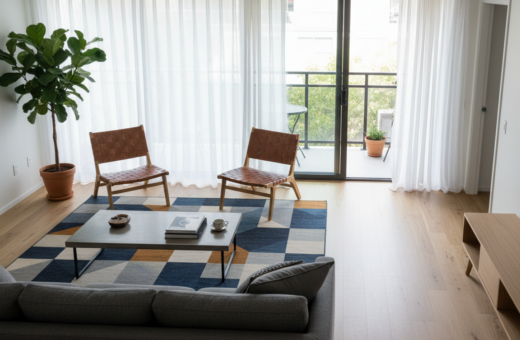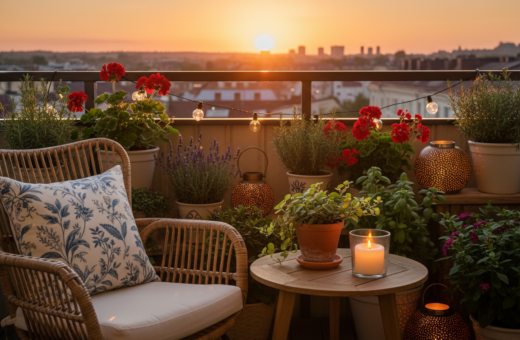
Measuring first saves hassle. Before buying a table or chairs, an accurate plan helps a small patio feel roomy and useful. It prevents returns and wasted time.
Lim Design Studio, Inc recommends marking a proposed layout with rope, string, or chalk to make sure the size fits the outdoor space. This quick step shows how a dining set or a cozy table will sit in the room.
Good quality patio furniture can last two or three decades, so it pays to choose a layout that works for the home. Accurate measurements and a simple mockup confirm there is enough room to move and relax.
Measure in feet, note clear walkways, and visualize where a table and chairs will go. Taking this time now makes the buying process smooth and ensures the outdoor space enhances living rather than cluttering it.
Assessing Your Outdoor Space Before You Buy
First, walk your outdoor space and note entry points, paths, and natural gathering spots.
Map traffic flow from doors and gates to see how people move through the yard. Supple Homes, Inc advises designing so walkways reach a patio, grill, or pool without obstruction.
Think of the arrangement like an indoor living room. Kerrie Kelly suggests the layout should offer the same comfort and function as a family room.
Consider architectural features such as railings or planters that affect placement. Note high-traffic areas early so the backyard does not feel cramped.
Finally, list the intended uses for each area—dining, relaxing, or entertaining—then match pieces to purpose. Taking the time now ensures the patio furniture and overall design align with the home and save returns later.
- Identify access points and paths
- Plan for traffic flow to major areas
- Match pieces to specific uses
Mastering Balcony Furniture Sizing for Small Areas
A quick mockup with tape or cardboard helps confirm which pieces fit without blocking views. For narrow outdoor spaces, low-profile seating keeps the view open and the door area clear.
Sara Gilbane recommends low pieces to preserve sight lines and keep a front door or sliding glass portal usable. A horizontally placed chaise on one side and club chairs with a small coffee table on the other offers both lounge and dining options without overcrowding.
Materials matter. Choose synthetic wicker or treated wood for durability on patios and small terraces. Accurate measurements in feet make the difference—sometimes a few inches decide whether chairs tuck under a table or block a walkway.
“Low-profile seating preserves the view and creates an airy living area.”
- Use varied seating—chairs, a small table, or a chaise—to support morning coffee and evening cocktails.
- Prioritize scale so each piece adds comfort and privacy without feeling oversized.
- Test arrangements with outlines before you buy; then consult layout guides like patio furniture layout ideas.
Calculating Clearance for Traffic Flow
Allowing clear walkways is the simplest way to keep an outdoor area safe and welcoming. Measure paths in feet and mark intended routes before placing any table or seating. This step prevents blocked access to doors and keeps the yard easy to use.
Safety Clearances for Grills and Pools
Amy Martin of Amy Martin Landscape Design recommends at least 3 feet for high-traffic walkways, with 4 feet preferred for comfort. Keep a 4-foot gap between the front of a grill and nearby furniture to reduce fire risk.
For pools, allow a 5-foot walking area around the perimeter so people can move safely without risking a fall. A simple garden path can be narrower, about 2 to 2.5 feet, which creates an intimate feel and slows movement.
- Plan walkways so the layout does not block the main entrance or backyard access.
- Maintain clear space between the table and seating to avoid a cramped room.
- Proper clearances keep all areas safe and usable for people of every age.
Determining Dimensions for Dining Tables and Chairs
Start by picturing a meal in the space and work backward to the table dimensions you truly need. Visualizing how people dine helps pick a dining table that fits traffic flow and comfort.
Compact dining setups work well when footprint is tight. A bistro table that is 2 to 3 feet wide with two chairs fits comfortably in a 6-by-8-foot area. This layout keeps a clear path and gives enough room to pull a seat.
Compact Dining Setups
Choose narrow tops and round edges to save inches. Justin Aulakh of Classic Patio Furniture recommends oval or rounded rectangular tables to help people move around more easily. Swivel seats also reduce the depth needed when guests sit down.
Large Dining Spaces
For bigger areas, measure the table with chairs tucked in, then add at least 3 feet of clearance on every side for circulation. This rule lets people pull out chairs and still move around without bumping into other pieces.
- Measure in feet and include chair clearance.
- Test layouts with taped outlines before buying.
- Consider benches or swivel chairs to save room when needed.
“Always measure the dining table with chairs pushed in to confirm the dining area fits your outdoor space.”
Selecting Appropriate Sizes for Lounge Seating
Measure lounge footprints before you buy to make sure seating fits and people can move around freely. A clear plan helps keep an outdoor room comfortable and usable.
Chaise lounges are long and low. Typical models are about 80 inches long and 24 inches wide. Allow at least 24 to 36 inches on one side for access so someone can walk past or adjust the cushion without squeezing.
Chaise Lounge Requirements
Because a chaise is feet long, plan its placement so a small side table can sit nearby for drinks or a book. This keeps the seat practical and adds comfort without forcing people to move around the rest of the layout.
Outdoor Sofa Dimensions
Outdoor sofas usually range from 70 to 94 inches long. Love seats sit around 52 to 60 inches. Standard depths run 30 to 32 inches, with deep-seat options up to 42 inches for extra comfort.
Place a glider or sofa at least 30 inches from a wall behind it. That gap lets people rock or get up without hitting the structure.
Porch Swing Arcs
Porch swings need side clearance of 14 to 16 inches and an arc that gives 4 feet behind and about 5 feet in front. Test the arc before final installation so the swing does not hit a table or chairs.
- Tip: Reserve space for a small coffee or side table next to the lounge to improve functionality.
- Measure in feet and mark outlines on the ground to confirm how each part fits.
- Careful measurements create a cozy outdoor area that supports comfort and movement.
“Plan access and clearance first; a well-measured lounge area invites people to stay and enjoy.”
Incorporating Accent Tables and Fire Pits
Thoughtful placement of side tables and a fire pit improves flow and invites people to linger outside.
Accent tables and a small fire pit add function and a sense of home to a dining area or lounge. A central coffee table can act as a hub for conversation and casual dining.
Amy Martin recommends keeping about 24 inches between a coffee table and a sofa, love seat, or chairs so people can get in and out easily. Side tables may sit closer since they do not block paths.
When choosing a dining table or accent piece, confirm the size fits with existing tables and seating. Place the fire pit so it does not interrupt the path to a chaise or the main dining area.
- Balance small tables and a coffee table to support outdoor dining without overcrowding.
- Keep clear walkways in feet measurements so people can move freely.
- Select sizes that match the sofa and chairs for a cohesive room feel.
“A well-placed coffee table makes gathering easier and keeps the space inviting.”
Utilizing Vertical Space and Modular Designs
Modular sectionals let homeowners reconfigure seating to match the event, from a quiet morning to a backyard party.
Working upward with shelves, hanging planters, and wall hooks keeps the floor clear and creates storage without crowding the area.
Benefits of Modular Pieces
Modular sofas and benches adapt to changing needs. One day they form a long lounge. The next day they split into separate seats for outdoor dining or a game night.
Multi-use pieces like benches with built-in storage save space and hide cushions or garden tools. This makes the layout more flexible and tidy.
- Use wall shelves to store plants, lights, and small tables.
- Choose modular sofas or a dining table that can break apart for different layouts.
- Pick materials rated for the yard and outdoor space to resist rain and sun.
- Benches with storage cut clutter and add extra seat when needed.
“A modular design makes the outdoor area feel larger by letting pieces change role as needs shift.”
Considering Material Weight and Scale
Lighter materials make it simple to change a patio layout as seasons and needs shift.
Lightweight aluminum works well for smaller patios because it moves easily and stacks when not in use. This saves time and keeps the area feeling open.
Rattan and wicker offer comfort and charm, but their bulk can overwhelm tight spots. Teak and other heavy woods look rich, yet they suit larger patios that can absorb their mass.
Measure the weight and visual scale of each piece before buying. Make sure a sofa or table does not dominate the view or block movement. Considering these factors lets homeowners rearrange without struggle.
- Consider weight: lighter pieces ease seasonal moves.
- Match scale: pick pieces that fit the measurements of the area.
- Balance materials: mix lightweight and solid pieces to keep the layout flexible.
“Choosing the right material keeps a small patio airy and easy to use.”
Conclusion
Start with the footprint, then test paths so the outdoor area works the way people move. Accurate measuring is the single best step to avoid buying pieces that crowd or block access.
Understand common dimensions for tables, lounge seats, and clearances so oversize purchases never become a problem. Use vertical storage and modular options to expand function in tight spots like a small balcony or deck.
Consider weight and visual scale when choosing each piece. A smart layout that prioritizes traffic flow and sight lines turns an exterior space into a usable extension of the home.
For practical measurement tips and a checklist of key dimensions, review this guide on key measurements for planning your outdoor. Following these professional steps helps create a stylish, lasting retreat.